0
0
 0
0
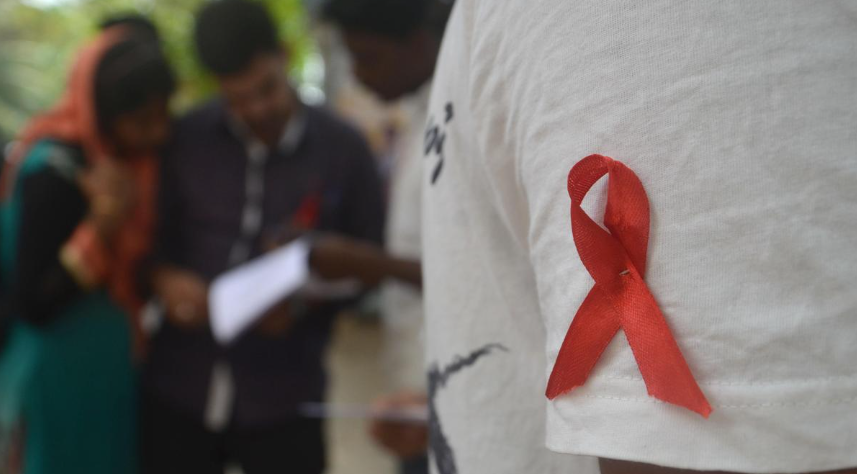
KERALAM — As HIV becomes increasingly viewed as a manageable medical condition rather than the feared death sentence it once was, health experts are raising concerns about a different challenge facing young people in Keralam: the growing risk of sexually transmitted infections (STIs).
Changing sexual behaviour, gaps in sexual-health awareness and substance use are among the factors prompting renewed attention to STI prevention among young people. At the same time, health officials and experts say that conversations around sexual health need to move beyond HIV alone and include testing, safer sex, consent and timely treatment.
The issue has gained additional attention around World Sexual Health Day on September 4, with experts calling for more open and non-judgmental conversations with young people about sexual health and access to confidential testing and treatment.
STI Clinic Attendance Rises Across Keralam
Data from the 23 District STI/RTI Centres (DSRCs) under the Kerala State AIDS Control Society show a significant increase in the number of people seeking services.
According to data compiled through December 2025, attendance at the centres increased from 41,417 in 2023-24 to 63,129 in 2024-25. Between April and November 2025 alone, another 51,243 people visited the clinics.
The figures have prompted health professionals to look more closely at sexual-health risks among younger people.
However, increased clinic attendance should not automatically be interpreted as proof that STI prevalence has increased at the same rate. Greater awareness, testing and access to healthcare can also lead to more people seeking diagnosis and treatment.
The absence of routine STI surveillance across both public and private hospitals makes it difficult to establish the full scale of the problem.
Young People Emerging as a Key Concern
The increase in STI-related healthcare visits among younger people has become a particular concern for health authorities.
Among clients aged 19 and below, attendance at the district STI/RTI centres increased from 1,547 in 2023-24 to 2,255 in 2024-25. A further 1,910 visits were recorded during April-November 2025.
Another concerning indicator is the proportion of newly detected HIV infections among people aged 15-24. According to the reported data, this share increased from 10% in 2022-23 to 15% during April-October 2025.
These figures reinforce the need for targeted sexual-health education and accessible testing services for adolescents and young adults.
Syphilis Screening Shows a Major Increase
Syphilis has emerged as one of the key concerns at STI clinics in Keralam.
The proportion of DSRC clients undergoing RPR screening for syphilis increased from 55% in 2023-24 to 70% in 2024-25, reaching 79% during April-November 2025.
The number of clients found reactive for syphilis also increased, from 1,206 in 2023-24 to 1,455 in 2024-25, with another 1,121 recorded during the first seven months of 2025-26.
Health experts caution that the rise in screening itself contributes to identifying more infections. Therefore, the numbers should be interpreted alongside changes in testing coverage and healthcare-seeking behaviour.
Gonorrhoea and Other STIs Also Raise Concern
Syphilis is not the only infection drawing attention.
Doctors working in STI services have reported encountering gonorrhoea more frequently in clinical practice. Health professionals are also concerned about cases in which infections can lead to serious complications when diagnosis and treatment are delayed.
Untreated STIs can sometimes affect areas beyond the initial site of infection. Reported complications in severe syphilis cases include neurological, eye and cardiovascular involvement, which can require prolonged and intensive treatment.
The concern highlights why early diagnosis and appropriate treatment remain essential even when an infection does not initially cause noticeable symptoms.
Why the Changing Perception of HIV Matters
For decades, fear of HIV played a major role in public-health messaging around safer sex.
Advances in HIV treatment have transformed the outlook for people living with the virus. Effective antiretroviral therapy allows many people with HIV to live long and healthy lives when they have access to appropriate care.
That progress is a major public-health achievement. However, health experts warn that a reduced fear of HIV should not translate into reduced attention to sexual-health risks more broadly.
Other STIs, including syphilis, gonorrhoea, chlamydia, HPV and genital herpes, remain important health concerns. Some can be treated effectively, while others can persist or cause complications.
Condoms Remain an Important Prevention Tool
Condoms can significantly reduce the risk of many sexually transmitted infections, including HIV, gonorrhoea and chlamydia, when used correctly and consistently.
However, condoms do not completely eliminate the risk of infections that can spread through skin-to-skin contact, including syphilis, HPV and genital herpes.
For this reason, sexual-health prevention needs to involve more than a single measure.
Regular testing, vaccination against HPV and hepatitis B, timely treatment and reducing exposure to unknown or potentially infected partners are among the measures experts highlight.
Testing Matters Even Without Symptoms
One of the biggest challenges in controlling STIs is that infections may not always produce obvious symptoms.
A person can therefore have an STI without realizing it and potentially transmit the infection to a partner.
Health experts are encouraging young people to consider testing after a potential exposure and when entering a new sexual relationship, particularly when there is uncertainty about previous exposure or protection.
Removing stigma from testing is equally important. Young people may avoid healthcare facilities because they fear judgment, embarrassment or a lack of confidentiality.
Accessible and confidential services can help address those barriers.
Sexual-Health Education Needs a Broader Approach
Health officials argue that traditional messages focused primarily on abstinence are no longer sufficient to address the realities faced by many young people.
A broader approach can provide practical information about safer sex, consent, contraception, STI symptoms, testing and treatment.
Such education does not simply focus on preventing infections. It can also help young people understand healthy relationships, communicate boundaries and make informed decisions about their sexual health.
Consent and communication should therefore form an important part of modern sexual-health education.
Substance Use Adds Another Layer of Risk
Healthcare professionals have also highlighted substance use among young people as a concern.
Intoxication can impair judgment and increase the likelihood of risky decisions, including sexual activity without adequate protection.
Public-health interventions therefore need to consider sexual health alongside broader issues such as substance use, mental wellbeing and access to healthcare.
An integrated approach could help reach young people before risky behaviour leads to infection or other health consequences.
KSACS Introduces Digital Self-Assessment Tool
To encourage young people to seek appropriate care, the Kerala State AIDS Control Society has introduced a digital sexual-health self-assessment tool.
The tool allows users to privately answer questions about lifestyle and behavioural factors and receive guidance on whether testing may be advisable. It can also provide information about the next steps and the nearest STI clinic.
Digital tools could become increasingly useful for younger populations who may be reluctant to discuss sensitive health concerns face-to-face.
However, self-assessment should complement rather than replace professional medical advice and appropriate diagnostic testing.
A Shift From Fear-Based Prevention to Health-Based Awareness
The changing HIV landscape presents an opportunity to rethink how sexual-health campaigns are designed.
Instead of relying primarily on fear, public-health messaging can emphasize knowledge, responsibility, prevention, consent and access to healthcare.
For young people, the message is straightforward: being less afraid of HIV should not mean being less careful about sexual health.
The focus should be on providing accurate information and making testing and treatment accessible without stigma.
The fading fear of HIV among young people in Keralam is putting renewed attention on the broader challenge of sexually transmitted infections.
Rising attendance at STI/RTI clinics, increased syphilis screening and growing concern about infections such as syphilis and gonorrhoea highlight the need for stronger sexual-health awareness. At the same time, increased testing means clinic figures must be interpreted carefully and should not automatically be treated as proof of an equivalent rise in STI prevalence.
For Keralam’s youth, effective prevention will require a combination of accurate sexual-health education, condom use, vaccination, regular testing, early treatment, consent and confidential healthcare access.