0
0
 0
0
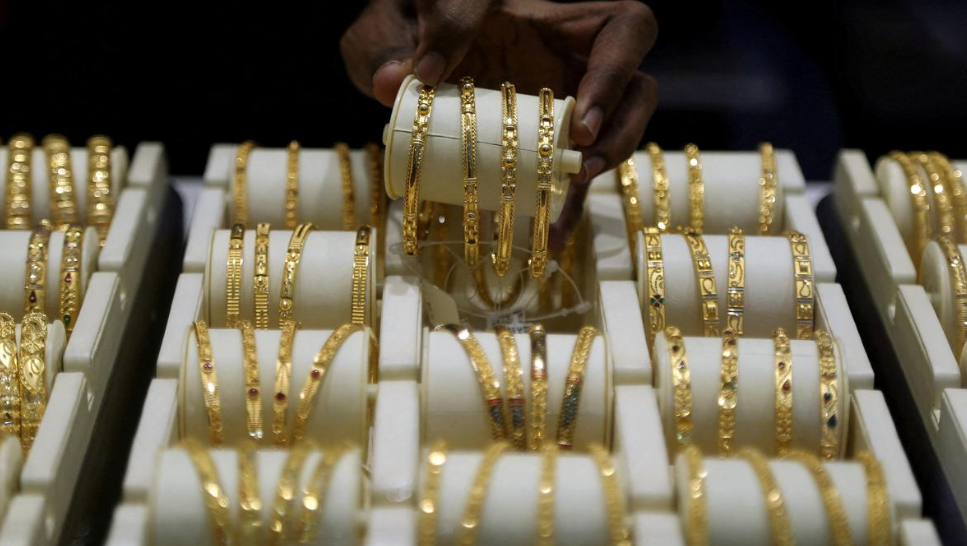
The All India Gem & Jewellery Domestic Council (GJC) has called for a careful balance between economic patriotism and India’s cultural heritage after Prime Minister Narendra Modi urged citizens to avoid purchasing gold unless it is necessary.
The Prime Minister’s latest appeal has triggered renewed discussion across India’s jewellery industry, particularly as the country approaches the key festive and wedding season. While the government is encouraging consumers to reduce unnecessary gold purchases to limit imports and conserve foreign exchange, the GJC has stressed that gold jewellery remains deeply connected to Indian traditions, family celebrations and livelihoods.
The council has therefore urged policymakers and consumers to consider a broader approach—one that supports economic stability without undermining the cultural and economic importance of the domestic jewellery industry.
Why PM Modi Is Asking Indians to Avoid Unnecessary Gold Purchases
Prime Minister Narendra Modi recently renewed his appeal to Indians to refrain from buying gold unless the purchase is necessary. He also encouraged people to choose locally made products, avoid unnecessary foreign travel and consider domestic destinations for weddings and holidays.
The message is part of a broader Swadeshi and self-reliance push, with the government seeking to keep more spending within the domestic economy while reducing pressure created by imported goods.
Gold is particularly important in this discussion because India relies heavily on imports to meet domestic demand. Gold is among the country’s largest import items, meaning a sustained increase in purchases can result in significant foreign-currency outflows.
The appeal comes despite India’s economy recording 7.8% growth in the April-June quarter, with the government seeking to maintain economic momentum amid global uncertainty.
GJC Says Economic Patriotism Must Respect Cultural Heritage
The GJC welcomed the broader objective behind the Prime Minister’s message but cautioned that gold cannot be viewed solely through the lens of imports.
Gold jewellery has a distinctive place in Indian society. It is traditionally associated with weddings, festivals, religious occasions and important family milestones.
According to the GJC, the jewellery sector contributes nearly 7-8% to the economy and supports millions of livelihoods. The industry includes manufacturers, artisans, retailers, designers, logistics companies and numerous small businesses.
That makes a blanket reduction in gold consumption potentially significant for an ecosystem that extends far beyond retail jewellery stores.
The GJC’s position is therefore not simply a rejection of the government’s economic concerns. Instead, the council is arguing for a strategy that addresses gold imports while protecting the domestic value chain and India’s longstanding relationship with jewellery.
India’s Gold Demand Faces Pressure From High Prices
The debate is taking place against a backdrop of elevated gold prices and weaker physical demand.
According to the World Gold Council, India’s jewellery demand fell 15% year-on-year to 75 tonnes in the second quarter of 2026. First-half demand declined 17% year-on-year to 141 tonnes, although the value of jewellery spending increased because gold prices were significantly higher.
Consumers have already been adapting to expensive gold.
The World Gold Council reported a shift towards lighter-weight jewellery, lower-carat products and studded jewellery, particularly among organised retailers. This suggests that consumers are not necessarily abandoning gold altogether, but are changing how they purchase it.
The trend could become more pronounced if consumers interpret the government’s latest appeal as a signal to postpone discretionary purchases.
Jewellery Industry Faces Festive-Season Challenge
The timing of the Prime Minister’s appeal is particularly important.
India is approaching the major festive and wedding period, traditionally one of the strongest periods for jewellery sales. Gold jewellery is deeply integrated into weddings and celebrations, making demand highly seasonal.
Industry participants expect consumers to increasingly rely on old-gold exchanges rather than purchasing entirely new gold.
Recent industry estimates suggest gold imports could decline by around 15% in September, following the Prime Minister’s renewed appeal. Around 45 tonnes of gold were reportedly imported in August, according to the India Bullion & Jewellers Association.
For jewellers, this could mean a shift in business models rather than the complete disappearance of demand.
Gold Exchange Could Become a Bigger Part of the Market
One potential solution is encouraging consumers to exchange existing jewellery rather than purchasing additional imported gold.
India is estimated to hold enormous quantities of gold within households, much of which remains outside the formal financial system.
The GJC has previously argued that the government should strengthen and modernise the Gold Monetisation Scheme (GMS) to unlock idle household gold.
Under such an approach, existing gold could be brought into the formal economy, potentially reducing the need for fresh imports while allowing households to retain economic value from their existing assets.
This could provide a middle path between the government’s objective of reducing gold imports and consumers’ continued cultural attachment to the precious metal.
Why Gold Imports Matter to India’s Economy
The economic argument behind the government’s appeal is straightforward.
When India imports gold, the country needs to pay overseas suppliers, creating demand for foreign currency. A large gold import bill can therefore contribute to pressure on India’s external accounts.
Government messaging around reducing unnecessary gold purchases is aimed at limiting this outflow and strengthening economic self-reliance.
However, the challenge is finding the right balance.
A sharp decline in gold consumption could affect imports positively, but it could simultaneously put pressure on jewellery manufacturers, retailers, artisans and other businesses dependent on domestic demand.
This is why the GJC is calling for a more nuanced approach.
The Jewellery Sector Supports Millions of Livelihoods
India’s jewellery ecosystem is extensive.
It includes traditional goldsmiths, craftsmen, jewellery designers, manufacturers, wholesalers, retailers, exporters, logistics companies and financial-service providers.
Many small and medium-sized businesses depend on jewellery demand, particularly during India’s festive and wedding seasons.
The GJC has previously warned that weaker gold demand could affect a broad network of businesses and employment linked to the sector.
For this reason, industry representatives argue that reducing gold imports should not necessarily mean discouraging every form of jewellery consumption.
Instead, policymakers could focus on improving recycling, gold exchanges, monetisation and domestic value addition.
Economic Patriotism Does Not Have to Mean Abandoning Gold Traditions
The debate highlights an important distinction between buying imported gold and supporting India’s domestic jewellery industry.
Consumers can continue to value jewellery as part of Indian culture while becoming more conscious about how they acquire it.
Greater use of recycled gold, old-gold exchanges and formal monetisation mechanisms could help reduce dependence on newly imported bullion.
At the same time, buying locally designed and manufactured jewellery could support Indian artisans and businesses.
This approach would align with the broader Swadeshi philosophy while acknowledging the cultural significance of gold.
Jewellery Stocks Already Reacted to Modi’s Appeal
The Prime Minister’s renewed message has also had an immediate impact on market sentiment.
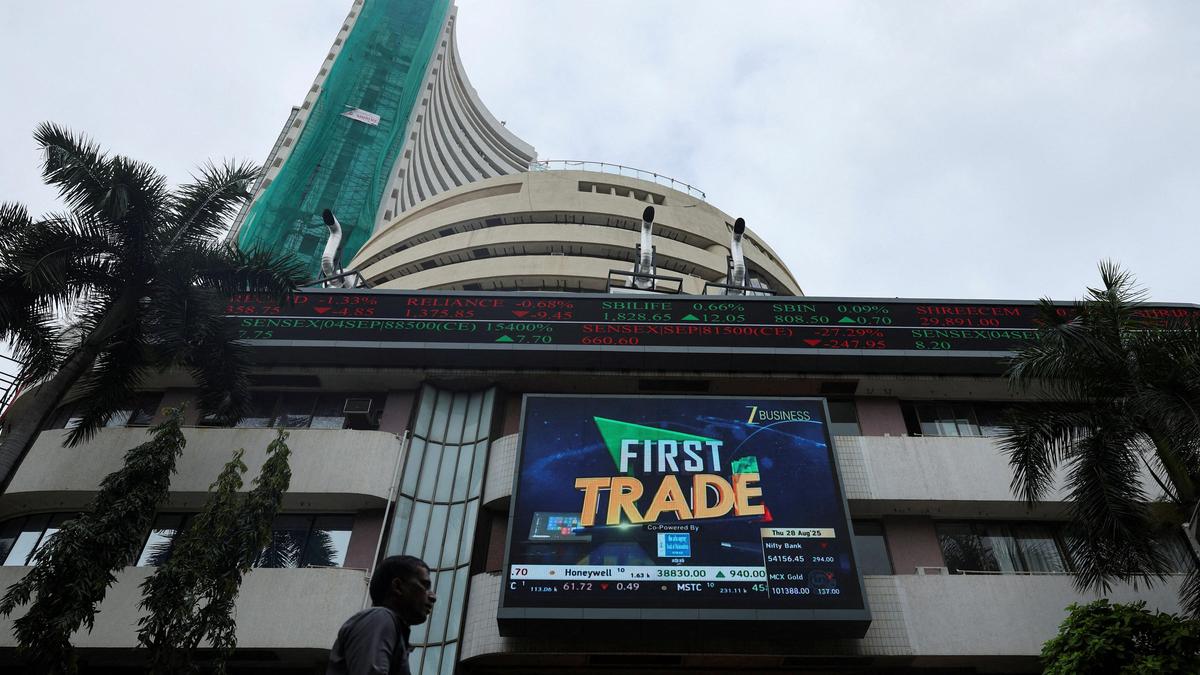
Shares of several jewellery companies declined after Modi’s appeal, with companies including Titan, Sky Gold and Kalyan Jewellers among those affected in early trading.
The market reaction reflects investor concerns that sustained government messaging against unnecessary gold purchases could weaken consumer demand.
However, lower fresh purchases do not necessarily mean the jewellery industry will experience a proportionate decline in revenue.
High gold prices mean that even lower volumes can translate into significant spending values. Consumers may also shift toward exchanging old jewellery, buying lighter designs or choosing lower-carat products.
A More Sustainable Gold Strategy for India
The GJC’s response points toward a broader policy question: how can India reduce its gold import dependence without damaging a culturally and economically important domestic industry?
Several approaches could potentially work together:
- Modernising the Gold Monetisation Scheme
- Encouraging old-gold exchanges
- Increasing gold recycling
- Promoting locally manufactured jewellery
- Improving consumer awareness about gold as an asset
- Supporting traditional artisans and small jewellers
- Developing more transparent formal gold markets
- Encouraging responsible and need-based consumption
Such measures could allow India to address the foreign-exchange challenge while maintaining the economic ecosystem surrounding jewellery.
What This Means for Indian Consumers
For consumers, the government’s message does not necessarily mean that gold jewellery has lost its cultural or financial significance.
Instead, it encourages people to distinguish between essential purchases and discretionary buying.
Families planning weddings or festivals may increasingly consider exchanging existing jewellery, purchasing lighter designs or buying locally produced pieces.
The result could be a gradual transformation of India’s gold market rather than a complete collapse in demand.
The Road Ahead for India’s Gold and Jewellery Industry
The coming festive and wedding season will provide an important test for the government’s strategy and the jewellery industry’s resilience.
If consumers reduce fresh gold purchases significantly, imports could fall and foreign-exchange pressure could ease. But jewellers may simultaneously face weaker volumes at a crucial time of year.
The GJC’s position suggests that policymakers should avoid treating gold solely as an imported commodity.
For millions of Indians, gold is simultaneously a cultural symbol, a household asset and a source of economic livelihood.
Finding a balance between those dimensions will be crucial.
The GJC’s response to Prime Minister Narendra Modi’s call to avoid unnecessary gold purchases highlights the complexity of India’s relationship with the precious metal.
The government has a legitimate economic objective: reducing excessive imports, conserving foreign exchange and strengthening self-reliance. At the same time, gold jewellery remains deeply embedded in India’s cultural traditions and supports a large domestic business ecosystem.
The answer may therefore lie not simply in asking Indians to buy less gold, but in finding smarter ways to use the gold already held by households.
A stronger Gold Monetisation Scheme, greater recycling and old-gold exchanges could potentially reduce India’s dependence on fresh imports while preserving the cultural and economic importance of jewellery.
Ultimately, the challenge is to achieve what the GJC has called a balance between “economic patriotism” and cultural heritage—protecting India’s economic interests without overlooking the traditions and livelihoods built around gold.