0
0
 0
0
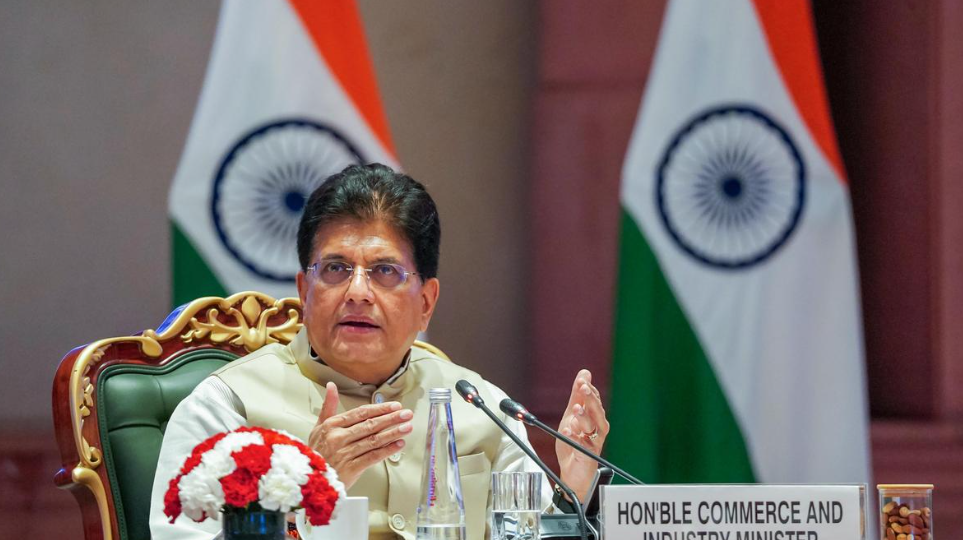
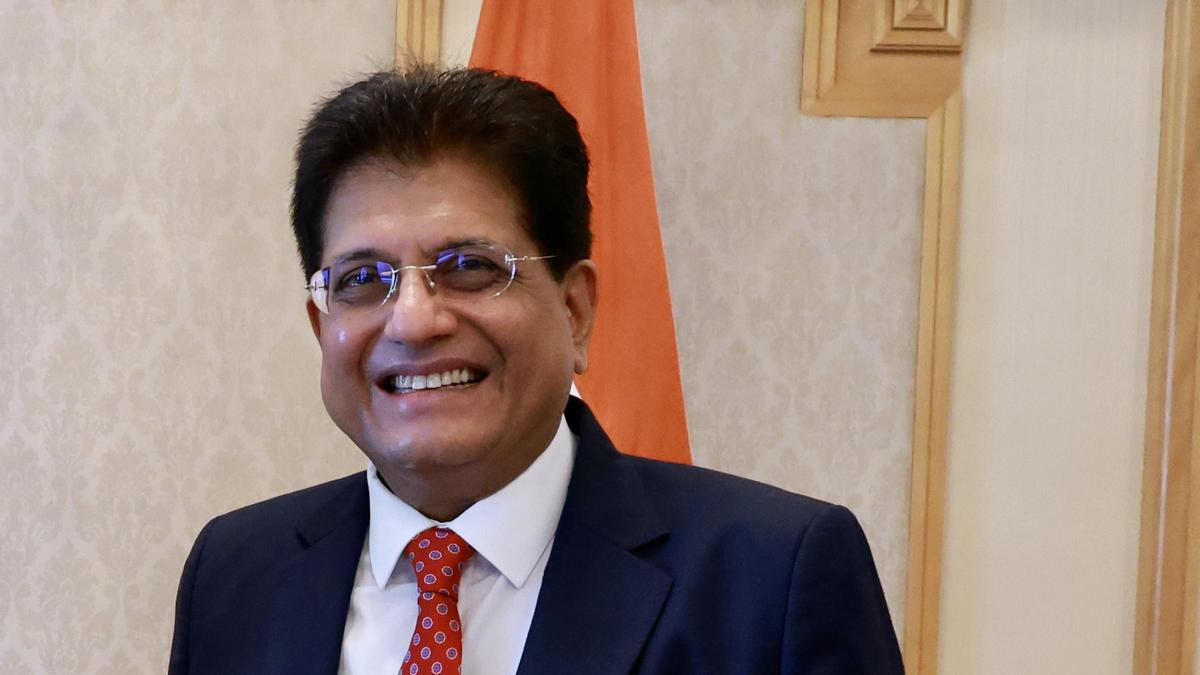
India’s textile and apparel industry has been given a clear message by Commerce and Industry Minister Piyush Goyal: the sector can no longer rely on tariff disadvantages as an explanation for weak export performance.
Speaking at the National Workshop on “Leveraging FTAs – An Outreach Programme” in New Delhi on September 3, Goyal said India’s tariff position in major developed markets has changed significantly. According to the minister, Indian textile exports now face duties that are either lower than or comparable to those faced by major competitors such as Bangladesh and Vietnam.
Goyal’s comments come as India expands its network of Free Trade Agreements (FTAs) and seeks to improve its position in global supply chains. The government believes these agreements can provide Indian exporters with preferential market access across a much larger share of the global economy.
India’s Textile Sector Enters a New Competitive Phase
For years, Indian textile exporters faced a disadvantage against countries such as Bangladesh and Vietnam.
Bangladesh benefited from preferential treatment available to least-developed countries (LDCs), while Vietnam gained an advantage through trade agreements with several developed economies. These arrangements allowed competitors to access major markets at lower or even zero tariff rates.
Goyal said this situation had previously made it difficult for Indian textile companies to compete effectively in developed markets.
However, he argued that the tariff landscape has now changed.
According to the minister, Indian exporters are increasingly receiving tariff treatment that is either better than or equal to that available to competitors in major developed economies.
This shift could become particularly important for labour-intensive industries such as garments, textiles and apparel, where even relatively small differences in import duties can influence sourcing decisions.
‘No More Excuses Except Performance’
Goyal delivered one of his strongest messages to the textile industry by saying that the sector now needs to focus on execution rather than external disadvantages.
The minister explained that India had previously struggled to compete with Bangladesh and Vietnam because of tariff differences. With those disadvantages narrowing, he said the responsibility now rests with Indian companies to improve their performance.
The message is straightforward: better tariff access creates an opportunity, but exporters must convert that opportunity into higher orders, stronger competitiveness and greater market share.
This could put greater pressure on textile manufacturers to improve productivity, quality, delivery timelines, product diversification and international marketing.
Free Trade Agreements Could Cover 75% of Global Trade
Goyal also outlined the broader strategy behind India’s expanding FTA network.
India currently has nine FTAs covering economies with a combined GDP of around $60 trillion, providing preferential access to nearly two-thirds of global trade, according to the minister.
The government is also pursuing additional agreements with countries and trade blocs including Canada, Mexico, Chile, Mercosur, the Southern African Customs Union (SACU), the Gulf Cooperation Council (GCC) and Israel. India is also looking at its existing trade arrangements with ASEAN, South Korea and Japan.
Together, these initiatives could eventually provide Indian exporters access to around 75% of global trade at tariff rates lower than those faced by competitors, Goyal said.
That would represent a major expansion of India’s market-access opportunities.
Why Tariff Advantages Matter for Indian Textiles
Tariffs are particularly important for textile and apparel exporters because international buyers often compare suppliers from several countries before placing large orders.
If two exporters offer products with similar quality and production costs, the supplier whose products enter the destination market at a lower tariff can have a significant commercial advantage.
For India, improved tariff access could therefore help exporters compete more effectively in markets where Bangladesh and Vietnam have traditionally been strong.
The potential benefits extend beyond garments. Improved market access could support exports of fabrics, home textiles, made-ups, technical textiles and other value-added products.
However, tariff reductions alone will not automatically translate into export growth. Indian businesses will still need to meet international standards, maintain competitive pricing, deliver consistently and respond quickly to changing consumer demand.
India Sets $1 Trillion Export Target
The government’s push to maximise FTA utilisation is closely linked to India’s ambitious export target.
Goyal said India is targeting $1 trillion in exports during the current year, implying growth of around 16%.
The minister also said exports during the first four months of the current year reached approximately $317 billion, compared with around $280 billion during the corresponding period last year.
The textile sector is expected to play an important role in achieving that broader export ambition because of its large manufacturing base, employment potential and established presence in international markets.
Government Wants FTAs to Reach Smaller Exporters
Another important part of Goyal’s message was that FTAs should not benefit only large corporations.
The government wants greater awareness and utilisation of trade agreements among MSMEs, traders, entrepreneurs, startups and women entrepreneurs across all 780 districts of India.
This is significant because many smaller exporters may not fully understand rules of origin, tariff preferences, documentation requirements or the practical benefits available under individual FTAs.
A stronger FTA outreach programme could help smaller businesses identify new markets and reduce the information gap that often prevents companies from taking advantage of preferential trade arrangements.
US Trade Deal Still Depends on Preferential Tariff Terms
The United States remains an important part of India’s trade strategy.
Goyal said India will finalise and announce the details of its proposed Bilateral Trade Agreement with the US once Washington provides preferential tariff terms compared with India’s competitors.
For the textile industry, the outcome of the India-US negotiations could be particularly important because the US is one of the world’s largest apparel and textile markets.
India is therefore seeking a trade framework that does not simply reduce tariffs, but provides Indian exporters with a meaningful competitive advantage over rival sourcing destinations.
What the New Tariff Landscape Means for Textile Exporters
The change in tariff conditions creates several potential opportunities for Indian textile companies:
- Greater price competitiveness in developed markets.
- Improved access to major international buyers.
- More opportunities to compete with Bangladesh and Vietnam.
- Potential growth in apparel and textile exports.
- Stronger integration into global supply chains.
- Greater incentives for investment in manufacturing capacity.
- Opportunities for smaller exporters to enter new markets through FTAs.
At the same time, companies will need to address issues beyond tariffs, including logistics, productivity, labour efficiency, sustainability requirements, quality standards and supply-chain reliability.
The Ball Is Now in India’s Court
Goyal’s comments represent a significant shift in the government’s message to the textile sector.
For years, tariff disadvantages were a genuine challenge for Indian exporters competing with Bangladesh and Vietnam. But as India’s trade agreements expand and tariff gaps narrow, the government believes the industry has a stronger platform from which to compete globally.
The next challenge is converting market access into actual export growth.
That means Indian textile companies will need to become more competitive, move toward higher-value products, strengthen global branding and respond faster to international buyers.
The government can negotiate preferential tariffs and open markets, but businesses ultimately have to capture the opportunity.
For India’s textile sector, the message from Goyal is therefore clear: the tariff disadvantage is narrowing, the global market is opening, and the next step depends on performance.
India’s new tariff advantages could mark an important turning point for its textile and apparel industry.
With existing and upcoming FTAs potentially giving Indian exporters preferential access to a much larger share of global trade, the sector has an opportunity to strengthen its position against established competitors.
Commerce Minister Piyush Goyal’s “no excuses left” message reflects the government’s expectation that the industry should now focus on execution and competitiveness.
If Indian textile companies can combine favourable tariff access with better productivity, quality, innovation and market diversification, the country could significantly strengthen its role in global textile supply chains.
For an industry that has long sought a level playing field, India may now have a much stronger hand to play.