0
0
 0
0
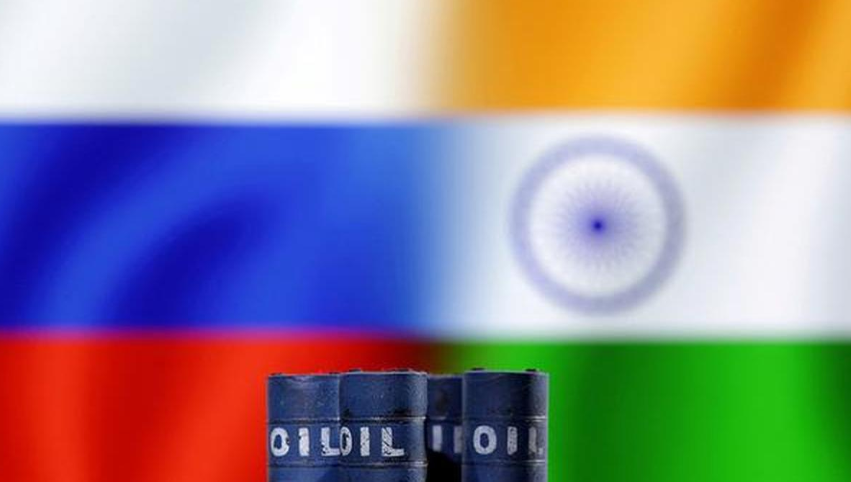
India has emerged as a key petrol supplier to Russia as repeated attacks on Russian oil refineries disrupt domestic fuel production and force Moscow to turn increasingly to overseas markets.
Indian refiners supplied nearly 1 million barrels of gasoline to Russia over the past two months, according to shipping and trade data cited by energy analysts. Much of the supply has reportedly come from the Vadinar refinery in Gujarat, operated by Nayara Energy, which is partly owned by Russian oil giant Rosneft.
The development represents a notable shift in the global fuel market. Russia, one of the world’s largest crude oil producers and refiners, is now importing gasoline to compensate for disruptions to its domestic refining network.
For India, meanwhile, the growing shipments highlight the country’s increasingly important role in international refined-fuel markets.
Russian Refinery Attacks Trigger Fuel Shortages
Russia’s dependence on imported gasoline has increased following repeated drone attacks on oil-refining facilities.
By late August, Russian gasoline production had fallen to around 70% of domestic demand, according to Reuters. Several major refineries experienced operational disruptions following attacks, contributing to a significant gap between fuel production and summer demand.
Daily gasoline production reportedly dropped to roughly 80,000 tonnes, compared with estimated summer demand of about 115,000 tonnes per day.
The resulting shortage has forced Russian authorities to introduce measures designed to protect domestic fuel supplies, including export restrictions and efforts to increase imports.
The situation underscores how disruptions to refining capacity can create fuel shortages even in a country with abundant crude oil resources.
Russia’s Gasoline Imports Reach Record Levels
As domestic production weakened, Russia sharply increased its purchases of gasoline from foreign suppliers.
Russia’s seaborne gasoline imports reached approximately 125,000 barrels per day in August, a record level, according to Vortexa data cited by multiple reports. That volume is equivalent to roughly 470,000 tonnes for the month.
India was among the countries helping to fill the gap, alongside suppliers such as Turkey and Morocco.
Russia has also relied on neighboring countries, particularly Belarus and Kazakhstan, to support its domestic fuel market. However, India’s contribution is notable because of the geographical distance involved.
The emergence of India as a gasoline supplier therefore reflects the scale of Russia’s current refining disruption.
Nayara Energy Plays a Central Role
A significant portion of India’s gasoline shipments to Russia has reportedly originated from Nayara Energy’s Vadinar refinery in Gujarat.
The refinery is partly owned by Rosneft, giving the trade relationship an additional connection to Russia’s energy sector.
Nayara’s position as a large integrated refinery allows it to produce substantial volumes of refined petroleum products for domestic and international markets.
The company’s role in supplying Russia also highlights the increasingly interconnected nature of global energy flows.
Fuel can move through complex international trading routes even when geopolitical tensions disrupt traditional supply patterns.
India’s Russian Crude Imports Add Another Layer
The rise in Indian petrol exports to Russia comes against the backdrop of India’s much larger trade in Russian crude oil.
Since 2022, Indian refiners have significantly increased purchases of Russian crude, making Russia one of India’s most important sources of imported oil.
According to recent shipping data, India’s Russian crude imports rose to more than 2.6 million barrels per day in June and July, compared with roughly 1 million barrels per day in February.
This creates an interesting energy trade dynamic.
India imports crude from Russia, processes it at domestic refineries and can then export refined petroleum products to markets around the world—including, increasingly, Russia itself.
Some gasoline shipped from India to Russia may therefore have been produced from Russian-origin crude, although the exact origin of the crude used in individual cargoes can vary.
Why Russia Needs Indian Petrol
Russia’s current fuel problem is primarily a refining capacity issue, rather than a lack of crude oil.
The country continues to produce large quantities of crude, but damage and operational disruptions at refineries have reduced its ability to convert crude into gasoline and other refined products.
This distinction is important.
Having sufficient crude oil does not automatically guarantee adequate supplies of petrol. Refining infrastructure must remain operational, and transportation networks must be able to move finished fuel to consumers.
The recent attacks have therefore created a situation in which Russia has had to import gasoline despite being one of the world’s leading oil-producing countries.
Moscow Extends Fuel Export Restrictions
The Russian government has responded to the domestic shortage by tightening restrictions on fuel exports.
Russia has extended its ban on gasoline exports through January 31, 2027, while restrictions on diesel exports have also been extended amid concerns about domestic availability.
The measures are designed to keep more fuel inside Russia and stabilize supplies for domestic consumers.
Russia has also turned to imports from neighboring countries and overseas markets to compensate for the shortfall.
The combination of export restrictions and higher imports demonstrates the severity of the disruption facing the domestic fuel market.
India Gains Importance in a Disrupted Energy Market
The growing gasoline trade with Russia demonstrates India’s ability to respond quickly when global energy markets experience disruptions.
Indian refineries have benefited from strong refining capacity and access to diverse crude supplies, allowing them to maintain exports even as geopolitical conflicts disrupt other major fuel-producing regions.
Reuters has reported that Indian refiners have been increasing fuel exports amid wider global supply disruptions, alongside U.S. refiners.
For India, this creates an opportunity to strengthen its position as a major refining and petroleum-products hub.
At the same time, the development highlights the complex consequences of geopolitical disruptions across global energy markets.
A New Dimension in India-Russia Energy Relations
The gasoline trade adds a new dimension to the energy relationship between India and Russia.
Historically, the relationship has been heavily centered on crude oil, with India becoming one of the biggest buyers of Russian crude after Western sanctions and changes in global oil flows.
Now, refined petroleum products are becoming an increasingly visible part of the relationship.
The fact that Russia is importing petrol from India demonstrates how global energy trade can evolve rapidly when infrastructure is damaged or traditional supply routes are disrupted.
It also shows the growing importance of Indian refineries in balancing regional and international fuel markets.
Global Energy Markets Face Continuing Uncertainty
The Russia fuel crisis is unfolding against a broader backdrop of disruption in global energy markets.
Refinery outages, geopolitical tensions, shipping constraints and attacks on energy infrastructure have all contributed to tighter refined-product markets.
For fuel-importing countries, these developments can increase competition for available gasoline and diesel cargoes.
For refiners such as those in India, however, periods of supply disruption can create opportunities to increase exports and capture stronger margins.
The longer Russian refinery disruptions continue, the greater the possibility that Moscow will remain dependent on imported gasoline to stabilize its domestic market.
What India’s Growing Petrol Exports Mean
India’s emergence as a key petrol supplier to Russia illustrates the changing structure of global energy trade.
The relationship is no longer simply about India buying Russian crude. Indian refineries are now helping supply finished fuel products back into the Russian market at a time when refinery disruptions have created shortages.
For Russia, Indian gasoline provides an additional source of supply while domestic refineries recover.
For India, the trade reinforces its position as a major global refining center.
The longer-term significance will depend on how quickly Russian refining capacity recovers and whether fuel import requirements remain elevated.
India has emerged as a key petrol supplier to Russia as repeated refinery attacks disrupt Russian fuel production. Indian refiners have supplied nearly 1 million barrels of gasoline to Russia over the past two months, while Russia’s seaborne gasoline imports reached record levels in August.
The situation highlights an unusual shift in global energy flows. Russia, despite being one of the world’s largest crude producers, has been forced to import gasoline because damaged and disrupted refineries cannot fully meet domestic demand.
India’s strong refining capacity has allowed it to help fill part of that gap, further strengthening its role in international petroleum markets.
As Russia extends fuel export restrictions and works to restore refinery operations, India-Russia energy trade is likely to remain an important development to watch in the global oil and gasoline market.