0
0
 0
0
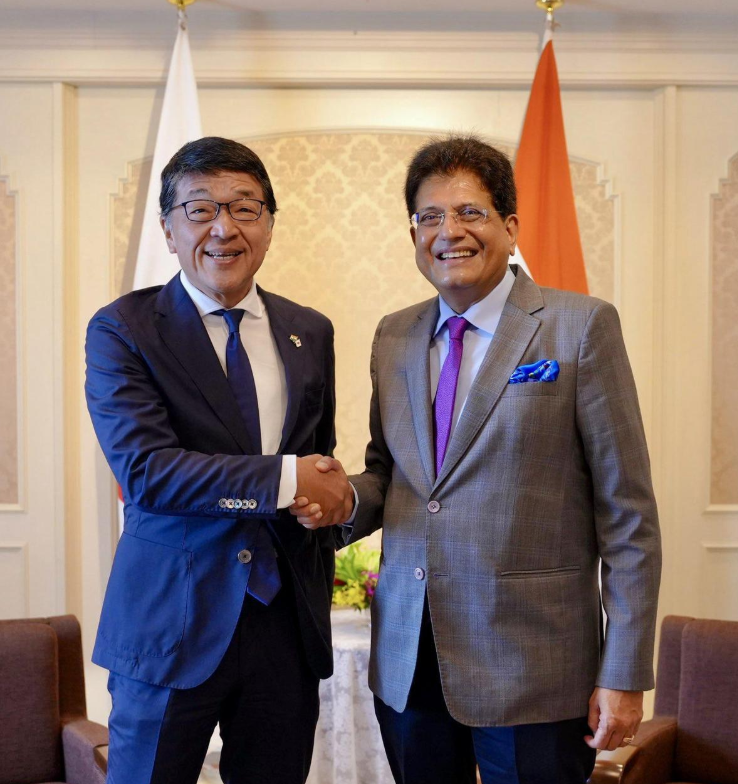
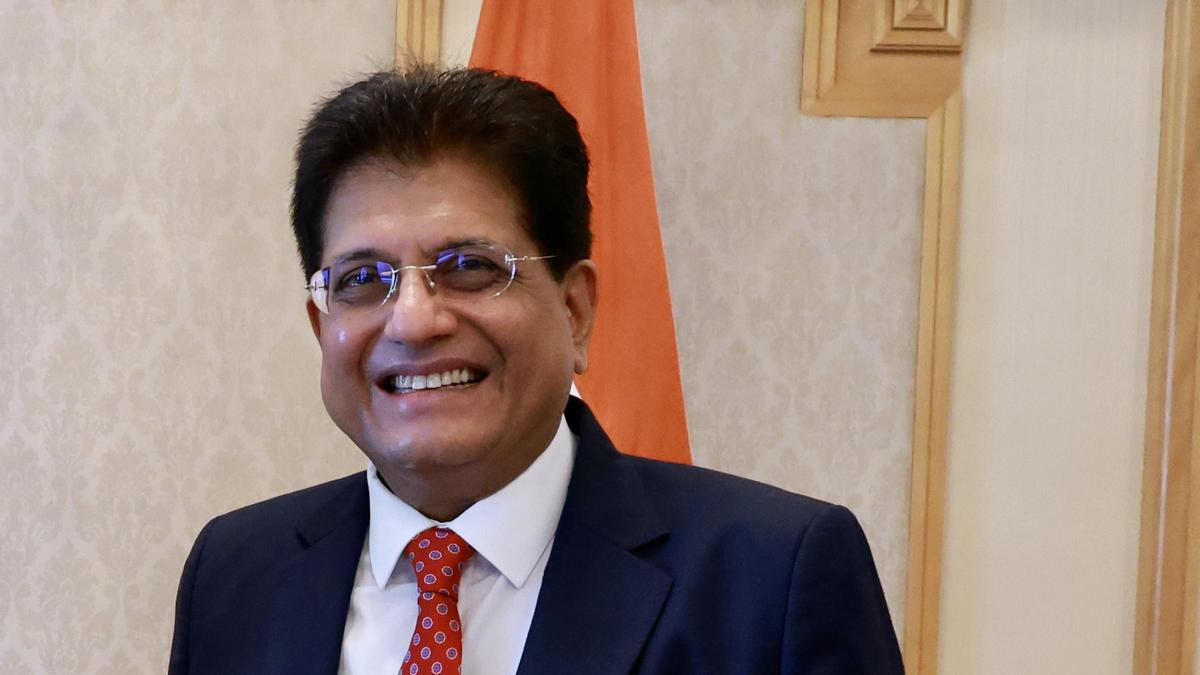
Commerce and Industry Minister Piyush Goyal has proposed an India-Japan startup pitching series modeled on the popular “Shark Tank” format, in a move aimed at connecting young companies with investors, business partners and potential markets.
Goyal made the proposal during a startup roundtable in Tokyo on August 26, 2026. He suggested that the pitching sessions could be held virtually, allowing Indian startups to present their ideas to Japanese investors while Japanese startups could seek partners and business opportunities in India.
The proposal comes as India and Japan seek to deepen economic cooperation, particularly in startups, technology, investment and advanced manufacturing.
Goyal Envisions an India-Japan Startup Pitching Platform
Goyal said India and Japan could develop a regular pitching series similar to the format used by Shark Tank, where entrepreneurs present their businesses and ideas to potential investors.
The proposed initiative would give Indian startups an opportunity to pitch directly to Japanese investors. At the same time, Japanese startups could use the platform to identify Indian partners, customers and market opportunities.
Unlike a conventional investment event, the proposed model would focus on creating connections that could continue beyond the initial pitch.
Goyal emphasized the progression from pitches to pilots, investment and eventually scale, suggesting that the initiative should generate tangible commercial partnerships rather than simply provide networking opportunities.
Virtual Format Could Expand Participation
One of the key features of Goyal’s proposal is the possibility of conducting the pitching sessions virtually.
Digital platforms could allow entrepreneurs and investors from India and Japan to participate without the need for frequent international travel. This could make the initiative more accessible to early-stage startups that may not have the resources to attend traditional international investment events.
A virtual format could also enable more frequent pitching sessions, potentially creating a continuous pipeline between Indian founders and Japanese investors.
For startups, access to international capital and strategic partners can be particularly important during the early stages of product development and market expansion.
Japan’s Patient Capital Could Help Indian Startups
Beyond the proposed pitching series, Goyal also called for greater access to Japanese “patient capital” for Indian startups.
He proposed an India-Japan Deeptech Capital Corridor, designed to encourage larger pools of long-term funding for innovative companies, particularly startups in their early stages.
The idea is significant because deep-tech companies often require substantial investment and longer development periods before reaching commercial scale. Traditional venture capital may not always be sufficient for businesses developing complex technologies.
Goyal also encouraged Japanese investors to consider co-investing in Indian funds, including funds focused on deep-tech companies.
India and Japan Aim to Strengthen Startup Cooperation
The startup proposal is part of a broader effort to deepen India-Japan economic relations.
Goyal has been leading a large Indian business delegation in Japan during a visit focused on trade and investment. The delegation is exploring opportunities across technology, manufacturing and other next-generation industries.
The two countries already have substantial economic ties, but policymakers are looking for new areas where their respective strengths can complement one another.
India offers a large domestic market, a growing startup ecosystem and increasing technological capabilities. Japan, meanwhile, has significant experience in advanced manufacturing, engineering, technology and long-term investment.
Greater cooperation between the two ecosystems could create opportunities for startups seeking both capital and industrial expertise.
From Investment to Commercial Partnerships
A major objective behind the proposal is to move beyond simple investment discussions.
A startup may receive funding but still require manufacturing expertise, technology partnerships, distribution networks or access to new customers. Connecting Indian and Japanese companies could therefore create benefits beyond financial investment.
For example, an Indian deep-tech startup could potentially gain access to Japanese engineering capabilities, while a Japanese company could use India’s large market to test and commercialize new technologies.
This type of cooperation could help turn startup ideas into commercially viable products.
Universities and Venture Funds Could Play a Bigger Role
Goyal also suggested increasing cooperation among universities, incubators and venture funds in both countries.
Universities can serve as important sources of research and innovation, while incubators can help early-stage companies develop their business models. Venture funds, meanwhile, can provide the capital required to take promising ideas toward commercialization.
Creating stronger connections among these institutions could help build a more integrated India-Japan innovation ecosystem.
Such collaboration could be particularly valuable in areas such as artificial intelligence, semiconductors, advanced manufacturing and other deep-tech industries.
India Wants More Japanese Investment
The proposal also comes against the backdrop of Japan’s significant investment commitment to India.
Japan has announced a 10 trillion yen investment target in India over a decade. Goyal recently said Japanese companies had already invested about ₹1 lakh crore toward that target, suggesting that the pace of investment could allow the overall commitment to be reached earlier than initially expected.
The startup pitching series could provide another channel for Japanese capital to reach India’s emerging companies.
Rather than focusing only on large established businesses, the initiative would potentially open more opportunities for early-stage startups.
Potential Boost for India-Japan Business Ties
If implemented, the proposed India-Japan Shark Tank-style startup series could become a platform for entrepreneurs from both countries to discover investment and partnership opportunities.
For Indian startups, Japanese investors could provide not only funding but also technical expertise, manufacturing capabilities and access to international markets.
For Japanese startups and businesses, India could provide a large consumer base and opportunities for expansion.
The combination could strengthen bilateral business ties while supporting innovation and entrepreneurship.
What Comes Next?
Goyal’s proposal is currently an initiative rather than an established program with a confirmed launch schedule. Its effectiveness will depend on whether Indian and Japanese institutions, investors and startups translate the idea into regular pitching and investment activities.
The concept nevertheless reflects India’s broader push to attract international capital and strengthen its startup ecosystem.
If the proposal moves forward, the most important measure of success will not simply be the number of pitches conducted. The real test will be whether those pitches lead to pilot projects, investments, commercial partnerships and scalable businesses.
Piyush Goyal’s proposal for an India-Japan “Shark Tank”-style startup series could create a new bridge between entrepreneurs, investors and businesses in the two countries.
The proposed virtual pitching platform would allow Indian startups to seek Japanese investment while Japanese startups could find partners and market opportunities in India.
Goyal has also called for an India-Japan Deeptech Capital Corridor, greater cooperation between universities, incubators and venture funds, and increased access to Japan’s long-term capital.
If these initiatives develop into concrete programs, they could strengthen India-Japan startup investment, technology cooperation and business ties, while helping promising young companies move from ideas to commercial scale.