0
0
 0
0
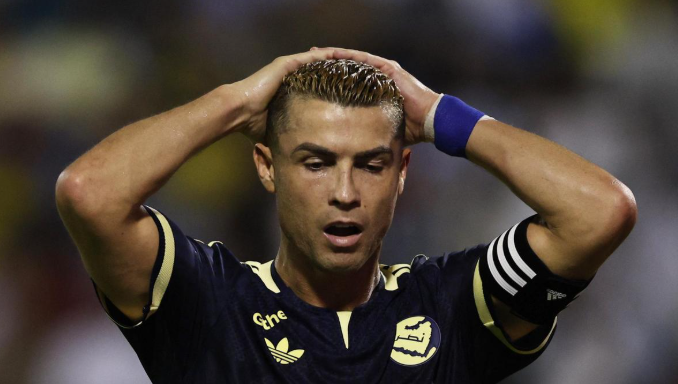
Cristiano Ronaldo has called for lifetime bans for supporters who directed offensive “Jota” chants at Portugal midfielder Ruben Neves, condemning the behaviour and insisting that such incidents have no place in football.
The comments from the Portugal captain come after fans used chants referencing Diogo Jota in the direction of Neves, creating an uncomfortable moment around a match involving the Portuguese international.
Ronaldo’s response underlines the emotional sensitivity surrounding Jota and the importance of respecting players, teammates and their families.
Ronaldo Condemns the Chants
Ronaldo made clear that he strongly opposed the behaviour, arguing that supporters who cross certain boundaries should face serious consequences.
The Portugal captain’s call for lifetime bans reflects the severity with which he views the incident.
For Ronaldo, football should remain an environment where supporters can passionately back their teams without turning personal tragedy into material for abuse or mockery.
His comments have sparked further discussion about fan behaviour and the responsibilities of supporters inside football stadiums.
Why Ruben Neves Was Targeted
Neves has been a close teammate of Ronaldo at international level and has represented Portugal during some of the country’s most important recent campaigns.
The chants directed at him reportedly referenced Diogo Jota, another Portuguese international whose death had a profound impact on the football community.
Using the name of a deceased player in a hostile or provocative chant has understandably generated strong reactions from players and supporters.
Ronaldo’s intervention demonstrates how seriously the Portugal squad views the issue.
Ronaldo Defends Respect in Football
Ronaldo has consistently been one of the most prominent figures in world football, and his comments carry significant weight among supporters.
By calling for lifetime bans, he has sent a strong message that there should be limits to what fans are allowed to say or do inside stadiums.
Football’s atmosphere is built around emotion, rivalry and passionate support. However, the incident has reignited debate over where the line should be drawn between legitimate sporting banter and unacceptable personal abuse.
For many players, the distinction is especially important when chants involve bereavement or personal tragedy.
The Wider Problem of Offensive Fan Chants
Offensive chanting remains a recurring issue in football.
While chants can contribute to the atmosphere of a match, some can cross into harassment, discrimination or deeply personal abuse.
Authorities and clubs around the world have increasingly introduced measures to address inappropriate behaviour in stadiums.
These can include stadium bans, fines, identification of offenders and, in serious cases, criminal or legal consequences.
Ronaldo’s call for lifetime bans represents one of the strongest possible responses and reflects his belief that certain behaviour should result in permanent exclusion from football grounds.
A Difficult Moment for Portuguese Football
The controversy has also highlighted the close bonds within Portugal’s national team.
Players who share international dressing rooms often develop relationships that extend beyond football. An incident involving the memory of a former teammate can therefore have a particularly strong emotional impact.
Ronaldo’s comments appear to reflect not only his position as Portugal captain but also his personal connection with the players involved.
For Neves, the situation adds another layer of difficulty as he continues to represent Portugal under intense public scrutiny.
What Could Happen to the Supporters?
The calls for lifetime bans could increase pressure on football authorities to identify and punish the supporters responsible for the chants.
Any disciplinary action will depend on the relevant competition regulations and the findings of the authorities involved.
If offenders are identified, clubs and governing bodies could consider sanctions based on the severity of their conduct.
The incident may also encourage further discussions about improving stadium security and monitoring supporter behaviour.
Ronaldo’s Message to Football Fans
Ronaldo’s intervention sends a broader message about the responsibilities that come with being a football supporter.
Passion and rivalry are central to the sport, but respect for players and their personal circumstances remains important.
The Portugal captain’s demand for strong punishment indicates that he believes some boundaries should never be crossed, regardless of the rivalry or circumstances of a match.
His comments are likely to keep the debate over football fan behaviour in the spotlight.
Cristiano Ronaldo’s call for lifetime bans following the “Jota” chants aimed at Ruben Neves has sparked a wider conversation about respect and responsibility in football.
The Portugal captain believes supporters who use deeply personal or offensive chants should face severe consequences, particularly when they involve the memory of a deceased player.
The incident serves as another reminder that football’s passionate atmosphere must be balanced with basic standards of respect. As authorities assess the situation, attention will remain on whether the supporters involved can be identified and what punishment may follow.