0
0
 0
0
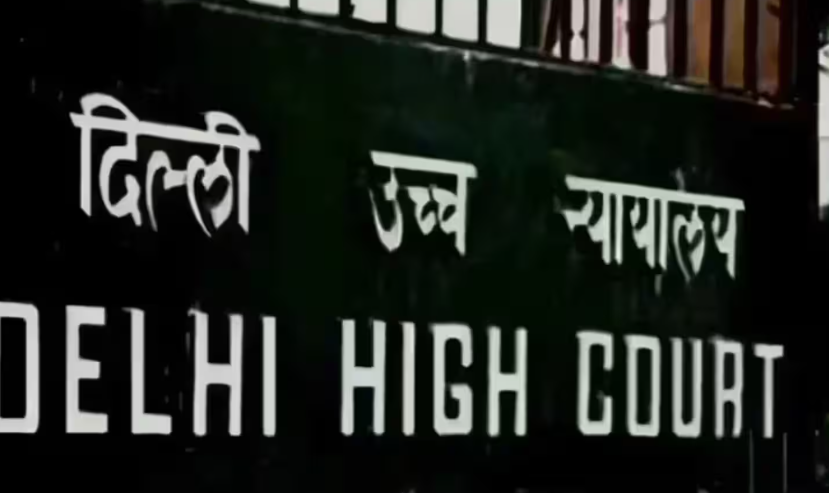
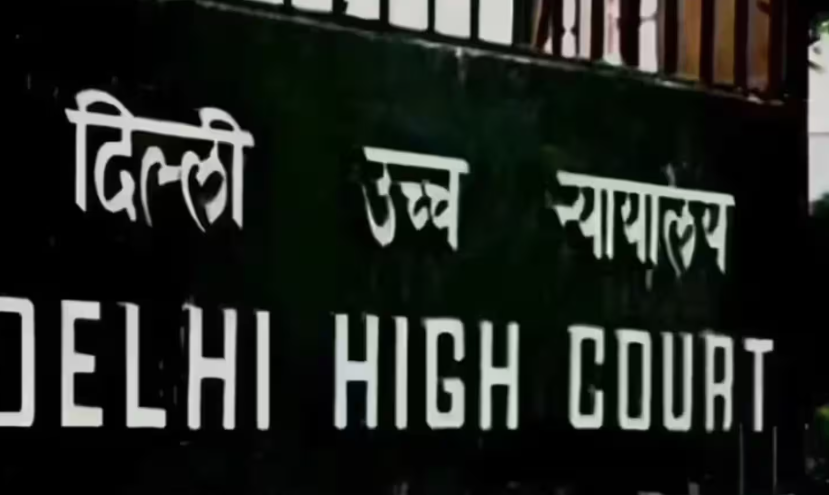
The Delhi High Court has ordered the appointment of a forensic auditor to examine transactions involving Fortis Healthcare, Malaysia’s IHH Healthcare Berhad and Singapore-based RHT Health Trust in the long-running legal dispute involving Japanese pharmaceutical giant Daiichi Sankyo and former Fortis promoters Malvinder and Shivinder Singh.
The latest development is part of Daiichi Sankyo’s efforts to enforce a multi-billion-dollar arbitration award against the Singh brothers. The dispute dates back to Daiichi’s 2008 acquisition of Ranbaxy Laboratories and has since expanded into a complex legal battle involving Fortis-related assets, share transactions, lenders and other entities.
The Delhi High Court’s decision could provide greater clarity on the movement of assets and funds associated with the transactions that Daiichi has questioned.
Delhi HC Orders Forensic Audit
The Delhi High Court forensic audit order follows Daiichi Sankyo’s request for an independent examination of transactions involving Fortis Healthcare, IHH Healthcare and RHT Health Trust.
The court’s move follows directions issued by the Supreme Court in September 2022, which allowed the Delhi High Court to consider appointing forensic auditors to examine transactions involving Fortis, RHT and related entities.
The audit is expected to examine whether the transactions were genuine commercial arrangements and whether assets that could potentially be used to satisfy Daiichi’s arbitration award were transferred or otherwise dissipated.
The detailed forensic examination is therefore expected to become an important part of the continuing enforcement proceedings.
What Is the Daiichi-Singh Case?
The dispute began after Daiichi Sankyo acquired Ranbaxy Laboratories from the Singh family in 2008.
Daiichi subsequently alleged that important information concerning regulatory issues at Ranbaxy had not been disclosed during the acquisition process. The Japanese pharmaceutical company later pursued arbitration and won an award against Malvinder and Shivinder Singh.
Daiichi has since sought enforcement of the award through Indian courts.
The legal battle eventually expanded beyond the original Ranbaxy transaction as Daiichi sought to identify assets connected to the Singh brothers that could potentially satisfy the award.
Why Are Fortis Transactions Under Scrutiny?
Fortis Healthcare was formerly controlled by the Singh brothers, who held a significant stake in the healthcare company.
Daiichi has alleged that the Singh brothers’ Fortis shareholding was progressively diluted through pledges and subsequent sales of shares, potentially reducing the pool of assets available for recovery.
The latest forensic audit will examine transactions involving Fortis Healthcare, RHT Health Trust and IHH Healthcare, among other related dealings.
The objective is to establish the nature and flow of the transactions rather than simply examine the ownership structure of Fortis.
IHH’s ₹4,000-Crore Fortis Investment
A major transaction under scrutiny is IHH Healthcare’s acquisition of a controlling stake in Fortis.
In July 2018, IHH acquired a 31% stake in Fortis Healthcare for approximately ₹4,000 crore through a bidding process.
Daiichi has sought scrutiny of the transaction and related dealings, including an alleged transfer of ₹4,666 crore to Singapore-based RHT Health Trust.
The forensic audit could therefore provide a detailed reconstruction of how money and assets moved through the various transactions connected to Fortis and its related entities.
What Will the Forensic Auditor Examine?
The scope of the forensic investigation is expected to cover several areas of the disputed transactions.
These include the dilution of Fortis shareholding, the pledging and sale of shares, transactions between Fortis and RHT, and other related financial arrangements.
Daiichi has also sought examination of transactions involving companies associated with the Religare Group.
The broader proceedings have also raised questions about the conduct of financial institutions that allegedly invoked pledges over Fortis shares.
The audit is intended to establish whether the transactions were bona fide and undertaken for genuine commercial reasons, an issue specifically contemplated by the Supreme Court’s 2022 directions.
Supreme Court’s 2022 Intervention
The current Delhi High Court proceedings are closely linked to a Supreme Court order issued in September 2022.
The Supreme Court held Malvinder and Shivinder Singh in contempt for violating orders intended to preserve assets relevant to Daiichi’s recovery efforts.
The court noted that the Singh brothers’ Fortis shareholding had fallen substantially after shares were pledged and sold.
Importantly, however, the Supreme Court did not itself conclude that the Fortis-RHT transactions were fraudulent. Instead, it allowed the Delhi High Court to consider forensic audits to determine the nature and bona fides of the transactions.
That distinction remains important as the forensic process begins.
Daiichi Wants to Trace Assets
For Daiichi Sankyo, the forensic audit is primarily about asset tracing and enforcement of the arbitration award.
The company has argued that a detailed examination is necessary to identify the movement of funds and assets and determine what resources may remain available to satisfy the award against the Singh brothers.
The legal dispute has continued for years partly because the recovery process has extended beyond the Singh brothers’ directly held assets.
Transactions involving companies, pledged shares, financial institutions and healthcare entities have consequently become part of the wider enforcement battle.
IHH and RHT Transactions in Focus
The involvement of IHH and RHT adds another layer of complexity to the case.
IHH is a major Malaysia-based healthcare group, while RHT Health Trust was a Singapore-based healthcare-related investment structure.
The forensic review is not, by itself, a finding that these entities engaged in wrongdoing.
Instead, the audit is intended to examine transactions and determine their nature, financial flows and commercial basis in the context of the enforcement proceedings.
This distinction is particularly important because the court’s forensic process is investigative and evidentiary rather than a final determination of liability.
17 Banks and Financial Institutions Also Face Scrutiny
Daiichi has separately sought forensic examination of the conduct of 17 banks and financial institutions.
The Japanese company has alleged that certain lenders invoked pledges over Fortis shares despite court orders and undertakings associated with the Singh brothers.
It has also questioned lending arrangements involving entities that were allegedly loss-making.
The lenders, however, have maintained that the pledges and subsequent share sales were connected to existing lending arrangements and commercial considerations.
The forensic examination could therefore become significant in determining how these transactions unfolded and whether they complied with relevant court directions.
Why the Forensic Audit Matters
The Delhi High Court’s latest order is significant because the dispute has been ongoing for more than a decade.
A forensic audit could provide an independent reconstruction of complex transactions that involve multiple companies, financial institutions and jurisdictions.
For Daiichi Sankyo, the findings could help determine whether additional assets can be identified for recovery.
For the other parties, the audit provides an opportunity for disputed transactions to be examined through financial records and evidence rather than allegations alone.
What Happens Next?
The forensic audit is expected to examine relevant financial and corporate records connected to the transactions.
The auditor’s findings could subsequently become important evidence in the enforcement proceedings.
However, the audit itself does not automatically establish wrongdoing or guarantee recovery of the arbitration award.
Its significance will depend on what the financial examination reveals about the movement of assets, the commercial rationale behind transactions and compliance with court orders.
A Long-Running Legal Battle Enters a New Phase
The Delhi High Court’s order represents a new phase in the long-running Daiichi Sankyo vs Singh brothers dispute.
What began with the 2008 Ranbaxy acquisition has developed into a complicated enforcement case involving Fortis Healthcare, IHH, RHT, pledged shares, lenders and alleged asset dissipation.
The forensic audit could now help bring greater clarity to some of the most contested transactions in the case.
For Daiichi Sankyo, the ultimate objective remains enforcement of its arbitration award. For the other parties, the forensic process will provide an opportunity for the disputed transactions to be examined in detail.
The Delhi High Court’s decision to order a forensic audit of Fortis, IHH and RHT-related transactions marks a significant development in Daiichi Sankyo’s long-running effort to enforce its arbitration award against Malvinder and Shivinder Singh.
The investigation will examine the dilution and sale of Fortis shares, transactions involving RHT and IHH, and other related financial dealings.
While Daiichi has raised allegations concerning asset transfers and the availability of assets for recovery, the forensic audit should not be viewed as a finding that the transactions were fraudulent.