0
0
 0
0
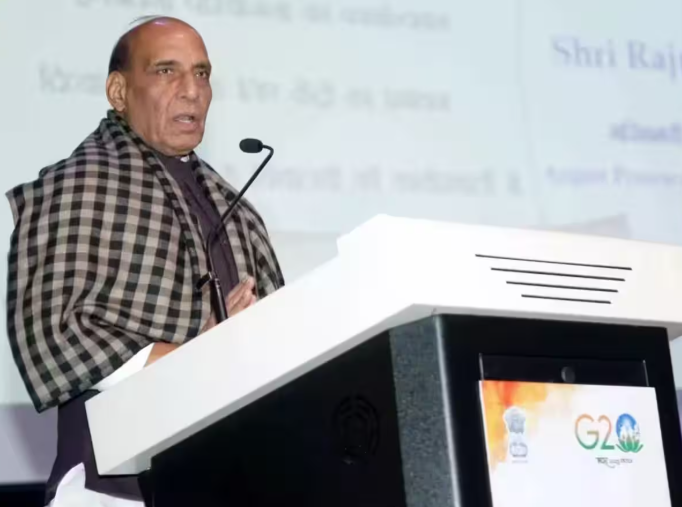
Defence Minister Rajnath Singh has described preventive healthcare as the “future model” of India’s healthcare system, arguing that early detection and prevention are becoming increasingly important for the country’s economy and national security. He made the remarks while inaugurating a Mahajan Imaging and Labs facility in Noida, highlighting changing disease patterns, rising treatment costs and India’s ageing population as key reasons for shifting healthcare toward prevention.
Singh stressed that healthcare should not focus solely on treating diseases after they become serious. Instead, the system should increasingly emphasize prevention, early detection, risk assessment and personalised healthcare.
His comments come as non-communicable diseases (NCDs), including diabetes, hypertension, heart disease, cancer, kidney failure and mental health disorders, are becoming increasingly important health challenges in India.
Rajnath Singh Calls Preventive Healthcare the Future
According to Rajnath Singh, the future of healthcare lies in identifying health risks before they develop into serious illnesses.
He pointed to warning signs such as high blood sugar, elevated cholesterol, fatty liver and borderline blood pressure. These conditions may not immediately cause severe symptoms, but they can indicate an increased risk of more serious disease later.
Singh argued that identifying such warning signs early could allow individuals and healthcare providers to intervene before the disease progresses.
“Prevention is better than waiting for illness to become severe,” is essentially the principle behind the healthcare model Singh advocated.
The approach would represent a shift from a predominantly treatment-based system toward one that gives greater importance to regular screening and early intervention.
Rising Treatment Costs Make Prevention Economically Important
One of Singh’s key arguments was economic.
Treating advanced diseases can require expensive procedures, long hospital stays and extensive medication. By comparison, annual health check-ups, lifestyle counselling, early screening and basic medication can cost considerably less.
Singh noted that treating advanced illnesses can cost lakhs of rupees, whereas preventive measures may cost only hundreds or a few thousand rupees.
This difference has implications not only for individual households but also for governments, insurers and employers.
If diseases can be detected and managed earlier, healthcare systems could potentially reduce the financial burden associated with advanced-stage treatment.
Non-Communicable Diseases Are a Growing Concern
Singh specifically highlighted the growing importance of non-communicable diseases.
Conditions such as diabetes, hypertension, cardiovascular disease, cancer, kidney disease and mental health disorders often develop gradually rather than appearing suddenly.
This makes preventive healthcare particularly relevant.
Regular screening can help identify risk factors before they become severe. Lifestyle changes, medical monitoring and timely treatment can then be introduced at an earlier stage.
The objective is not simply to increase the number of medical tests but to create a healthcare system capable of identifying risks and acting on them effectively.
India’s Ageing Population Adds to the Challenge
Another reason Singh believes India needs to strengthen preventive healthcare is demographic change.
India has a relatively young population today, but the proportion of elderly people is expected to increase significantly over the coming decades.
Singh warned that failing to adopt a preventive healthcare model now could place greater pressure on hospitals in the future.
As the population ages, demand for healthcare services is likely to increase.
A stronger preventive system could help reduce avoidable complications and allow hospitals to focus more effectively on patients who require advanced treatment.
Preventive Healthcare and National Economy
Singh described preventive healthcare as a matter of national economy.
A healthier population can contribute more consistently to economic activity, while prolonged illness can affect household finances, workplace productivity and public healthcare spending.
When people develop serious chronic illnesses, the economic consequences can extend beyond medical bills.
Patients may need extended periods away from work, while families may lose income when caregivers have to reduce working hours or leave employment to provide support.
From this perspective, preventive healthcare is not simply a medical issue. It can also be viewed as an investment in human capital.
Why Preventive Healthcare Matters for National Security
Singh went further by describing preventive healthcare as a matter of national security.
A country’s security depends not only on military capabilities but also on the health and resilience of its population.
For the armed forces, maintaining the health and readiness of personnel is particularly important.
India has also been strengthening military medicine and preventive healthcare capabilities. In July 2026, Singh inaugurated the Department of Military Medicine at Command Hospital (Central Command), Lucknow, which was established as a dedicated academic and operational centre focused on military medicine and medical preparedness.
This broader focus illustrates how healthcare can intersect with national preparedness and security.
Early Detection Can Reduce Pressure on Hospitals
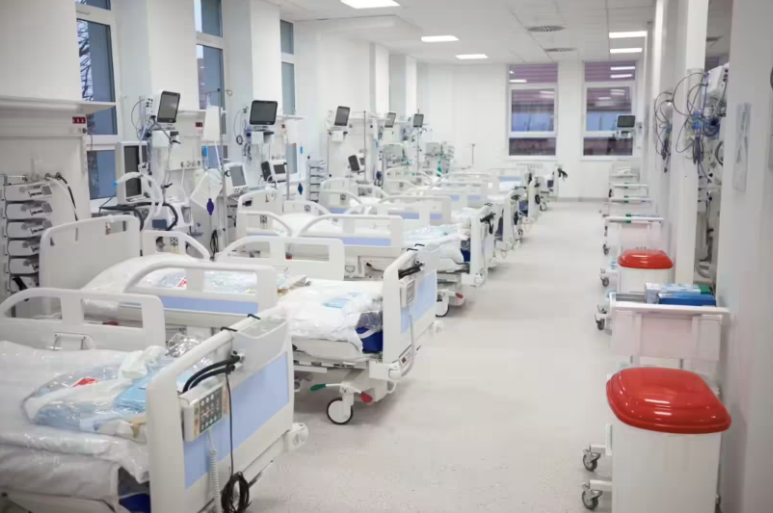
One of the major advantages of preventive healthcare is its potential to reduce pressure on hospitals.
When diseases are detected at advanced stages, patients may require intensive treatment, surgery or prolonged hospitalisation.
Early detection can sometimes allow conditions to be managed before they become more complicated.
For example, identifying hypertension or high blood sugar at an early stage can give healthcare professionals an opportunity to recommend appropriate lifestyle changes and treatment.
This could reduce the number of people eventually requiring complex medical interventions.
Technology Could Transform Preventive Healthcare
The expansion of preventive healthcare is also likely to depend heavily on technology.
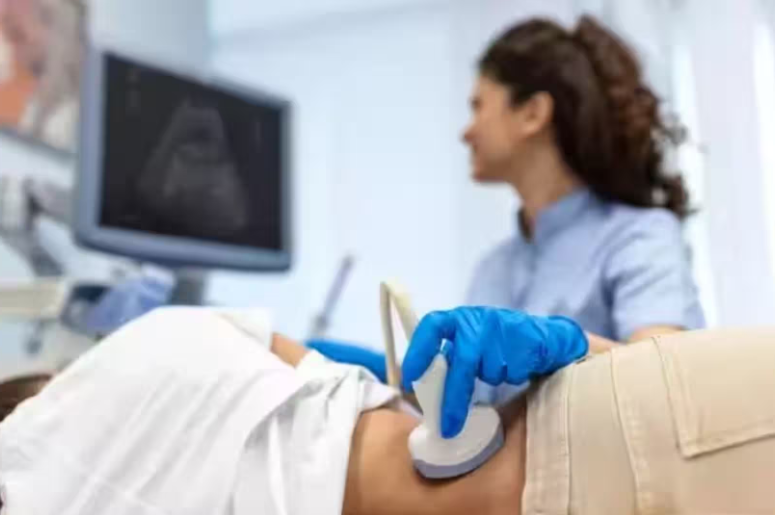
Modern diagnostic tools can detect health risks earlier and provide doctors with more detailed information about a patient’s condition.
Artificial intelligence, genomics, molecular diagnostics and digital health platforms could increasingly support early detection and personalised healthcare.
Singh’s remarks therefore fit into a broader transformation in which healthcare is moving from simply treating illness toward predicting, preventing and managing health risks.
However, the adoption of technology must also be accompanied by safeguards for patient data, accuracy and responsible use.
Personalised Healthcare Could Become More Important
Preventive healthcare does not necessarily mean that everyone receives exactly the same tests or treatment.
Personalised healthcare aims to assess an individual’s specific risk factors and medical profile.
Age, family history, lifestyle, existing conditions and other factors can influence a person’s risk of developing particular diseases.
By combining these factors with diagnostic technologies, healthcare providers can potentially develop more targeted prevention strategies.
This could make preventive medicine more efficient while reducing unnecessary testing.
Government Alone Cannot Build a Preventive Healthcare Culture
Singh also emphasized that the government cannot accomplish the transition toward preventive healthcare by itself.
Hospitals, laboratories, doctors, diagnostic companies, insurers, employers and citizens all have roles to play.
In his speech, Singh called on all stakeholders to contribute toward making preventive healthcare the “new normal.”
This means healthcare awareness must extend beyond hospitals.
Individuals need to understand the importance of routine check-ups, healthy lifestyles and timely medical consultation, while healthcare providers need to make preventive services accessible and affordable.
Preventive Healthcare Requires Public Awareness
A successful preventive healthcare system depends heavily on public awareness.
Many chronic diseases can remain unnoticed for years because people may not experience obvious symptoms during their early stages.
Regular health assessments can help identify potential problems earlier.
Public health campaigns can also encourage people to pay attention to factors such as nutrition, physical activity, tobacco use, alcohol consumption, sleep and mental wellbeing.
The goal is to make prevention part of everyday health behaviour rather than something people consider only after becoming seriously ill.
From Treatment-Centred to Prevention-Centred Healthcare
India’s healthcare system is gradually moving toward a more integrated approach.
| Traditional Focus | Preventive Healthcare Model |
|---|---|
| Treat disease after symptoms appear | Identify risks before disease progresses |
| Hospital-based care | Community and primary care |
| Advanced-stage treatment | Early detection |
| Reactive approach | Proactive approach |
| Higher treatment costs | Potentially lower long-term costs |
| Disease management | Risk assessment and prevention |
| General treatment | Increasingly personalised care |
This transition does not mean hospitals or advanced medical treatment will become less important.
Instead, preventive healthcare can complement specialised treatment by reducing the number of cases that reach advanced stages.
The Economic Case for Early Intervention
The financial argument behind prevention is particularly significant for a country as large as India.
When millions of people require expensive treatment for chronic conditions, the cumulative healthcare expenditure can become substantial.
Preventive programmes can potentially reduce these costs by identifying risk factors earlier and encouraging healthier lifestyles.
For households, avoiding severe illness can also protect savings and reduce the possibility of catastrophic medical expenses.
For businesses, a healthier workforce can mean fewer days lost to illness and potentially higher productivity.
For the government, prevention can help improve the efficiency of healthcare spending.
Building a Healthier and Stronger India
Rajnath Singh’s message ultimately connects individual health with the broader strength of the country.
A healthier population is better positioned to participate in economic activity, support families and contribute to national development.
In this context, preventive healthcare becomes more than a medical strategy.
It becomes part of a broader national development agenda involving health, productivity, economic resilience and security.
Rajnath Singh has called preventive healthcare the “future model” of India’s healthcare system and described it as crucial to the country’s national economy and security. His argument is based on three major trends: changing disease patterns, increasing healthcare costs and India’s ageing population.
The Defence Minister stressed that diseases such as diabetes, hypertension, heart disease, cancer and kidney failure often develop gradually, making early detection and intervention especially important.
Preventive healthcare can potentially reduce the financial burden of advanced disease while helping individuals maintain better health for longer.
The challenge now is to turn this vision into a practical healthcare model that is accessible, affordable, technology-enabled and widely adopted.
If prevention becomes a routine part of India’s healthcare system, the benefits could extend well beyond hospitals and patients—supporting a healthier workforce, reducing long-term healthcare costs and strengthening the country’s overall economic and national resilience.