0
0
 0
0

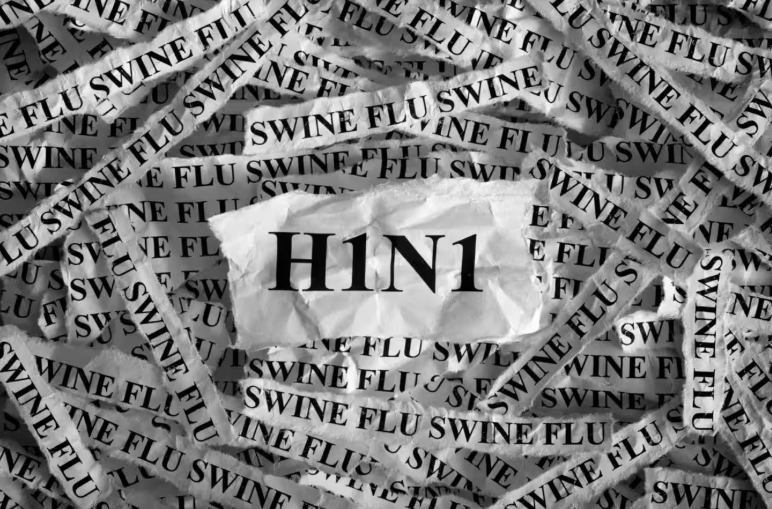
Karnataka is stepping up its review of the H1N1 influenza situation after laboratory-confirmed influenza cases in the state crossed 4,000 in 2026. Health officials are closely monitoring the rise, particularly in Bengaluru, which accounts for a significant share of the reported infections.
According to surveillance data, Karnataka recorded 4,212 laboratory-confirmed influenza cases across 32 districts up to August 22, 2026. Bengaluru alone has reported more than 3,000 cases, making the city the main centre of concern for health authorities.
The state government has reviewed the situation and is focusing on surveillance, preparedness, early detection and timely treatment while urging residents not to panic.
Karnataka H1N1 Cases Cross 4,000
The increase in influenza cases has attracted attention as Karnataka’s 2026 tally has already reached 4,212 laboratory-confirmed infections.
The figure covers cases reported from 32 districts through the Integrated Health Information Platform. While the number is higher than the previous year’s total at the same point, health officials have stressed that the rise follows a seasonal pattern rather than automatically indicating a major outbreak.
Karnataka typically experiences two seasonal peaks in influenza activity, with one occurring between January and March and another between July and September. The current increase therefore coincides with the state’s usual second seasonal period.
Bengaluru Accounts for a Major Share of Cases
Bengaluru has emerged as the main hotspot in Karnataka’s current influenza situation.
More than 3,000 of the state’s 4,212 confirmed influenza cases have been reported from Bengaluru, according to surveillance data.
The concentration of cases in the state capital has prompted health authorities to pay particular attention to surveillance and preparedness in the Greater Bengaluru area.
The high number of infections also highlights the importance of respiratory hygiene, early diagnosis and appropriate medical care, particularly for people who are more vulnerable to complications from influenza.
Government Reviews H1N1 Situation
Karnataka Health Minister U T Khader chaired a review meeting with senior health officials to assess the influenza situation and the state’s preparedness.
Officials are examining surveillance data and healthcare readiness as part of efforts to manage the rise in seasonal influenza cases.
Khader has also sought to reassure the public, saying there is no need for panic. He said that all 4,212 people who had tested positive since January had recovered, while the state currently has an estimated 300 to 400 active cases.
The government’s approach is therefore focused on monitoring the situation while ensuring that hospitals and health facilities remain prepared.
Health Department Strengthens Surveillance
The Karnataka health department has strengthened surveillance of influenza-like illness (ILI) and severe acute respiratory infections (SARI).
Monitoring is being carried out through designated sentinel sites, the ICMR-NCDC pan-respiratory virus surveillance network and Viral Research and Diagnostic Laboratories. These systems help health authorities track respiratory infections and identify changes in disease patterns.
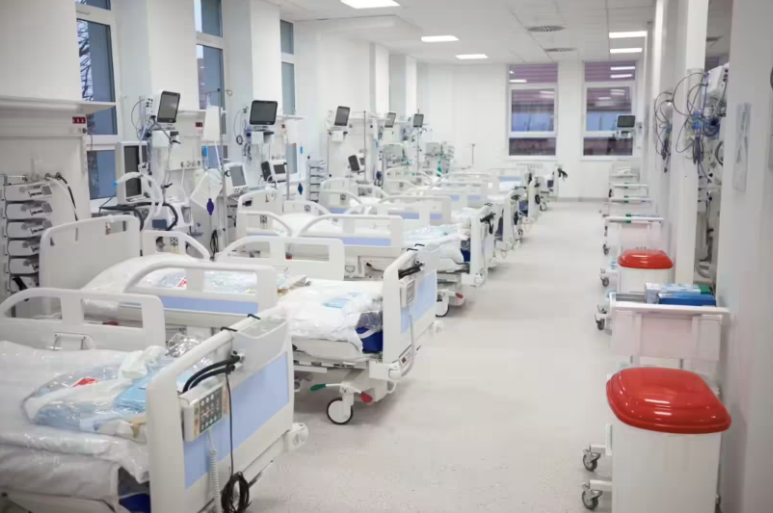
Healthcare facilities have also been advised to maintain adequate supplies, including personal protective equipment, N95 masks and oseltamivir, an antiviral medicine used in the management of influenza under medical guidance.
Private hospitals and healthcare facilities have been asked to follow prescribed screening, testing and treatment protocols and report cases through the IHIP system.
Officials Urge People Not to Panic
Despite the increase in cases, Karnataka health authorities have urged residents to remain cautious rather than panic.
Seasonal influenza can often be managed effectively when symptoms are recognised early and appropriate medical care is sought.
The health department has advised people experiencing symptoms to avoid crowded places and maintain good respiratory and hand hygiene. People have also been urged to avoid self-medication and seek medical attention when necessary.
These precautions are particularly important for protecting people who may be at higher risk of complications from influenza.
Why Influenza Cases Rise During the Monsoon
The current increase comes during Karnataka’s monsoon period, when seasonal respiratory infections can become more common.
Health officials have described the latest rise as part of the state’s recurring seasonal influenza pattern. Karnataka has historically experienced two periods of increased influenza activity during the year, including a second peak between July and September.
This seasonal pattern is one reason authorities are increasing surveillance while avoiding unnecessary alarm.
However, continued monitoring remains important because influenza viruses can change over time and severe respiratory infections can place additional pressure on healthcare facilities.
Karnataka Had More Than 4,500 Influenza Cases in 2025
The latest numbers also provide useful context when compared with previous years.
Karnataka recorded 4,583 influenza cases during the whole of 2025, while the state reported 3,903 cases in 2024. By August 22 this year, the 2026 tally had already reached 4,212.
The comparison explains why health authorities are paying close attention to the current situation.
Although the government says the increase is consistent with seasonal trends, reaching more than 4,000 laboratory-confirmed cases before the end of August underscores the importance of continued surveillance.
Early Detection Remains Important
Health experts and officials continue to emphasise the importance of recognising influenza symptoms early.
People experiencing symptoms of respiratory infection should take appropriate precautions to avoid spreading the illness to others. Those with persistent or severe symptoms should seek professional medical advice rather than relying on self-treatment.
Early identification is particularly important for people who may be vulnerable to complications.
The health department’s emphasis on testing, reporting and preparedness is intended to ensure that patients who require medical attention can receive it promptly.
What People Can Do to Reduce the Risk
Basic preventive measures remain important during periods of increased influenza activity.
People can reduce the risk of transmission by maintaining hand hygiene, covering coughs and sneezes, avoiding unnecessary close contact when sick and staying away from crowded places while experiencing respiratory symptoms.
Health authorities have also advised people not to self-medicate and to seek medical care when appropriate.
These simple measures can help reduce transmission and protect vulnerable members of the community.
Karnataka H1N1 Situation Remains Under Watch
The crossing of the 4,000-case mark has placed Karnataka’s influenza situation firmly on the health department’s radar.
However, officials have stressed that the increase should be viewed in the context of the seasonal influenza cycle. The government is strengthening surveillance and ensuring healthcare facilities have the necessary supplies while continuing to monitor developments across the state.
With Bengaluru accounting for a large proportion of infections, continued monitoring in the city will be particularly important in the coming weeks.
For now, Karnataka health authorities are urging residents to stay alert, follow basic preventive measures and seek medical care when needed — without giving in to unnecessary panic.
Karnataka has recorded 4,212 laboratory-confirmed influenza cases in 2026, with Bengaluru accounting for a major share of the infections. The increase has prompted the state government to review its preparedness and strengthen surveillance across districts.
Health Minister U T Khader has assured residents that there is no need to panic, noting that those who tested positive since January have recovered. At the same time, officials continue to encourage caution, hygiene, early detection and timely medical care.
As Karnataka moves through the seasonal influenza period, continued surveillance will be crucial in determining whether the current increase remains within the expected seasonal pattern or requires additional public-health measures.