0
0
 0
0
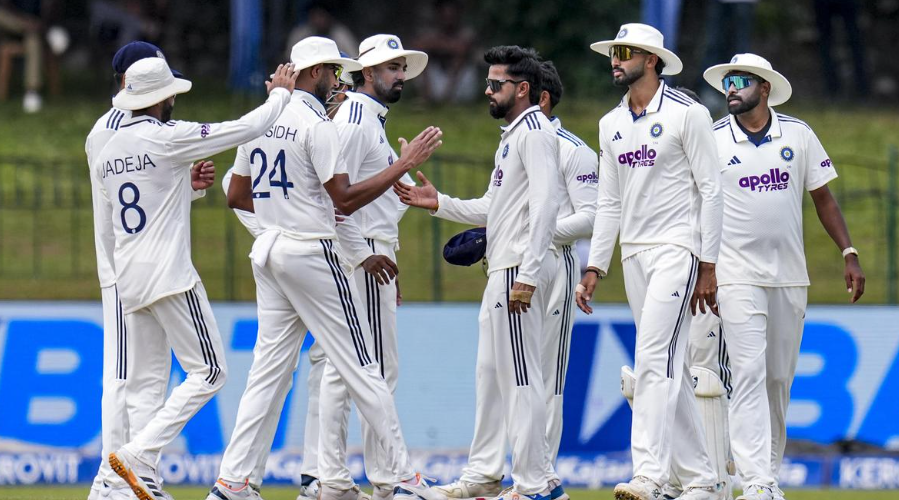
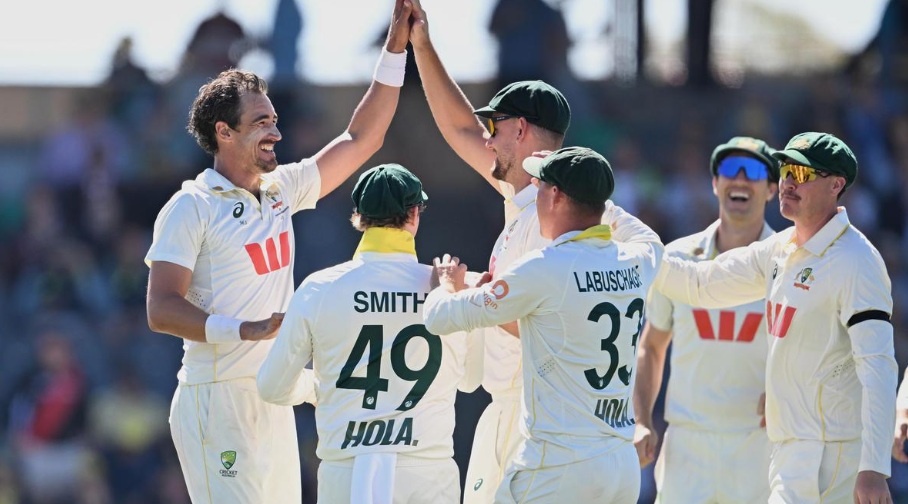
India enforced the follow-on against Sri Lanka after bowling the hosts out for 290 in the first innings of the second Test in Colombo. Sri Lanka were unable to overcome India’s commanding first-innings total of 503/9 declared, leaving the hosts 213 runs behind and putting India firmly in control of the match.
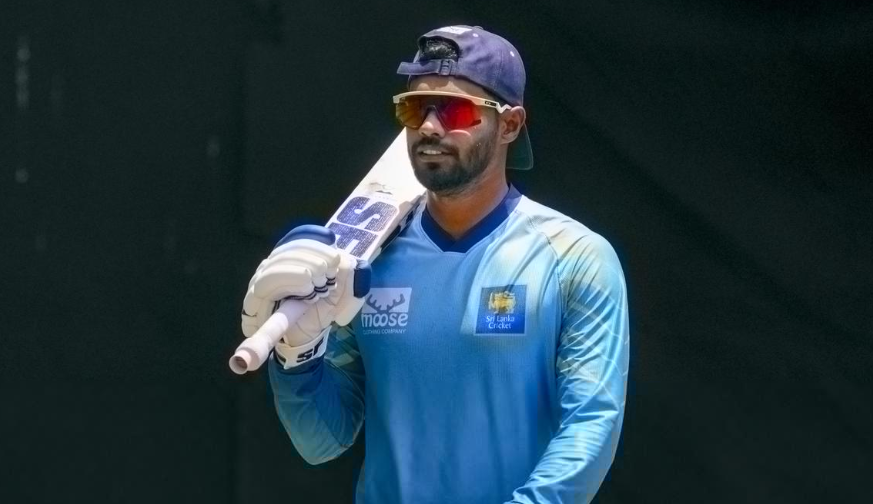
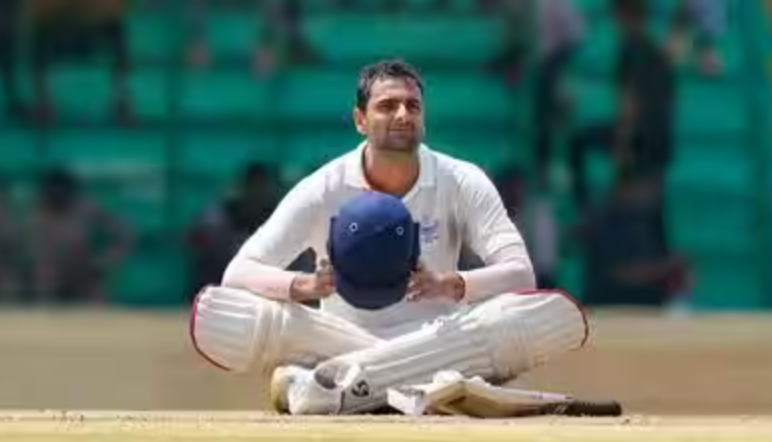
The highlight of Sri Lanka’s resistance was Sonal Dinusha, who scored his second consecutive Test century. His determined 103, however, was not enough to prevent India from enforcing the follow-on.
India Take Command in Colombo
India entered the fourth day with Sri Lanka on 265/8, needing to avoid falling below the follow-on threshold.
The hosts had shown considerable resistance late on the third day, with Dinusha leading the lower order. However, India’s bowlers needed only five overs on the fourth morning to claim the final two wickets.
Sri Lanka were eventually dismissed for 290 in 89.4 overs, giving India a first-innings advantage of 213 runs.
With such a substantial lead, India captain Shubman Gill opted to send Sri Lanka straight back to the crease rather than bat again.
Sonal Dinusha Scores Another Century
Sonal Dinusha was the standout performer for Sri Lanka.
Coming into the fourth day unbeaten on 85, the left-hander completed his second century of the series. He finished with 103 runs, showing remarkable composure despite Sri Lanka being under immense pressure.
His century followed his earlier performances in the series and underlined his growing importance to Sri Lanka’s batting lineup.
However, Dinusha’s individual achievement could not prevent India from securing the massive lead required to enforce the follow-on.
India’s Bowlers Finally Break Through
India’s bowlers had to work hard to finish the Sri Lankan innings.
The hosts’ lower order frustrated India for a significant period, with the final three Sri Lankan pairs managing to survive for more than 40 overs.
India eventually found the breakthroughs they needed on the fourth morning.
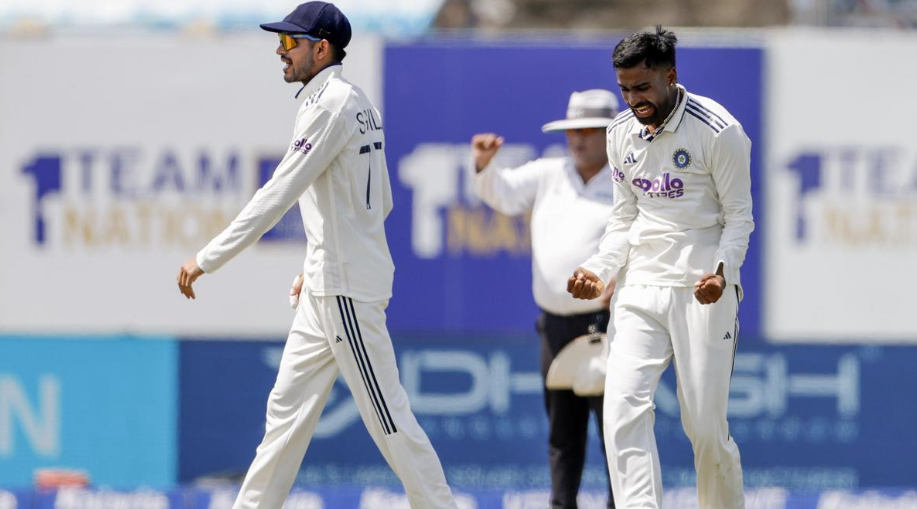
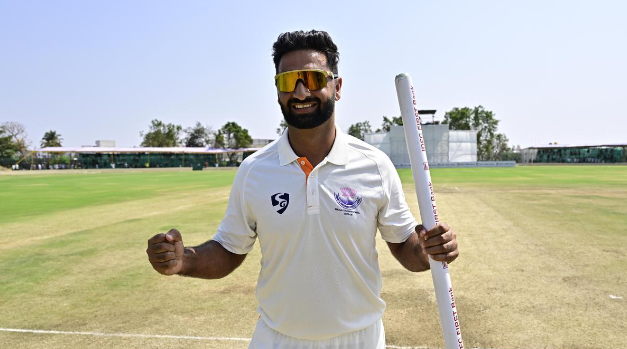
Saransh Jain claimed the final wicket when Dinusha was dismissed for 103, while the Indian attack completed the innings at 290.
The performance also gave Saransh his first Test wicket after earlier near-misses in the innings.
India Had Scored 503/9 Declared
India’s dominance was established during their first innings.
The visitors declared at 503/9, putting Sri Lanka under immediate pressure to produce a substantial response with the bat.
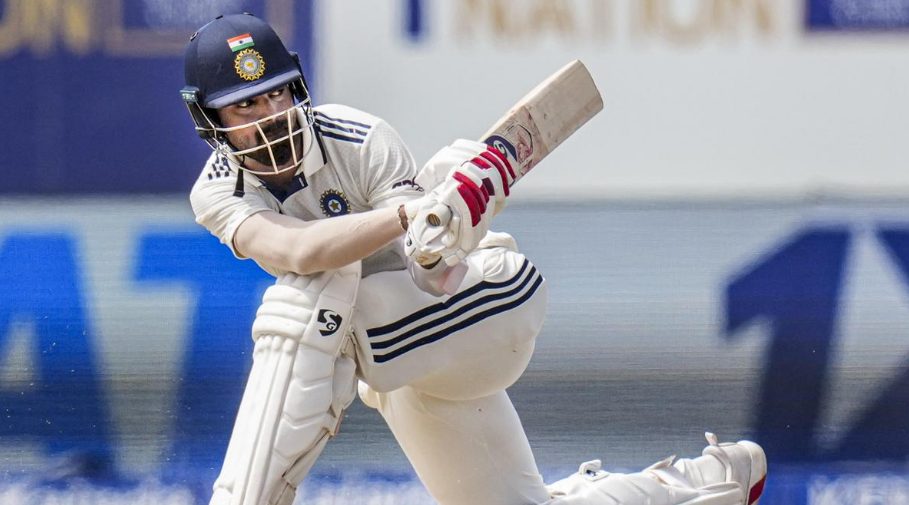
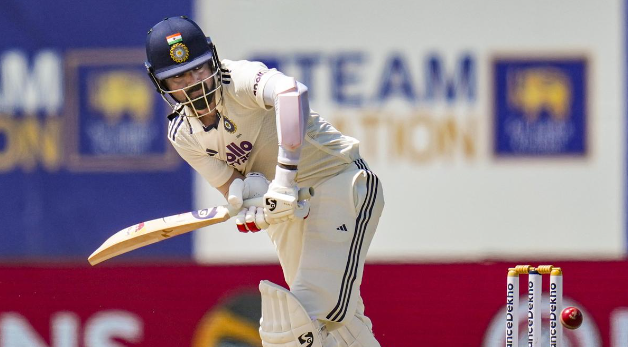
India’s batting effort featured major contributions from their top and middle order, including Devdutt Padikkal and Dhruv Jurel, who have both made an impression during the series.
That huge total ultimately proved too much for Sri Lanka to match.
Sri Lanka Face Another Tough Innings
The follow-on means Sri Lanka have to bat again without the benefit of a long break between innings.
India immediately made an impact when Mohammed Siraj dismissed Lahiru Udara, reducing Sri Lanka to 9/1 in the second innings.
At lunch, Sri Lanka had reached 83/2, with Pasindu Sooriyabandara and Kamindu Mendis at the crease. The hosts still trailed India by 130 runs.
Sri Lanka therefore face the enormous task of first eliminating the deficit before attempting to set India a target.
Follow-On Puts India in Sight of an Innings Victory
The follow-on has given India a clear opportunity to push for an innings victory.
If Sri Lanka are dismissed for fewer than 213 runs in their second innings, India will win the Test by an innings.
That makes the next phase of the match particularly important for both teams.
India’s bowlers will be looking to maintain pressure, while Sri Lanka must produce a significantly stronger batting performance to keep the match alive.
Rain Could Still Affect India’s Plans
Weather has been an important factor throughout the Test.
Rain interrupted play on the third day and forced an early finish, reducing the amount of time available to both teams.
For India, the follow-on is therefore a potentially valuable tactical decision because it removes the need to spend additional time batting.
Instead, Gill’s team can concentrate entirely on taking 10 Sri Lankan wickets.
India Lead the Series 1-0
India are already ahead in the two-match series.
The visitors won the opening Test in Galle by 165 runs, giving them a strong advantage heading into the Colombo match.
A victory in the second Test would allow India to complete a series sweep.
Sri Lanka, meanwhile, need to fight back quickly if they are to prevent India from ending the series with another convincing win.
Sri Lanka’s Batting Depth Under Pressure
The second Test has highlighted concerns surrounding Sri Lanka’s batting depth.
The hosts entered the match without key batters Kusal Mendis and Dinesh Chandimal, while Pathum Nissanka was also unavailable.
Those absences have placed additional responsibility on the remaining players.
Dinusha’s century has been a major positive, but Sri Lanka need more substantial contributions from the rest of the batting order if they are to challenge India’s attack.
India Look to Finish the Test
With Sri Lanka following on, India’s strategy is straightforward: take 10 wickets and complete the victory.
The visitors have already established a 213-run first-innings advantage, and early wickets in the second innings have strengthened their position.
However, India’s bowlers must remain disciplined, particularly because Sri Lanka’s lower order demonstrated on the previous day that it can occupy the crease for long periods.
India have enforced the follow-on against Sri Lanka after bowling the hosts out for 290 in the second Test in Colombo. Sri Lanka’s total left them 213 runs behind India’s imposing 503/9 declared, allowing Shubman Gill’s side to send the hosts back to bat immediately.
Sonal Dinusha’s 103 was the major positive for Sri Lanka, marking his second consecutive Test century. Nevertheless, India’s bowling attack eventually completed the job and put the visitors in a commanding position.
With India already leading the series 1-0, the follow-on gives them an excellent opportunity to secure another victory and complete a series sweep. Sri Lanka, meanwhile, must produce a major batting turnaround to save the Test.