0
0
 0
0
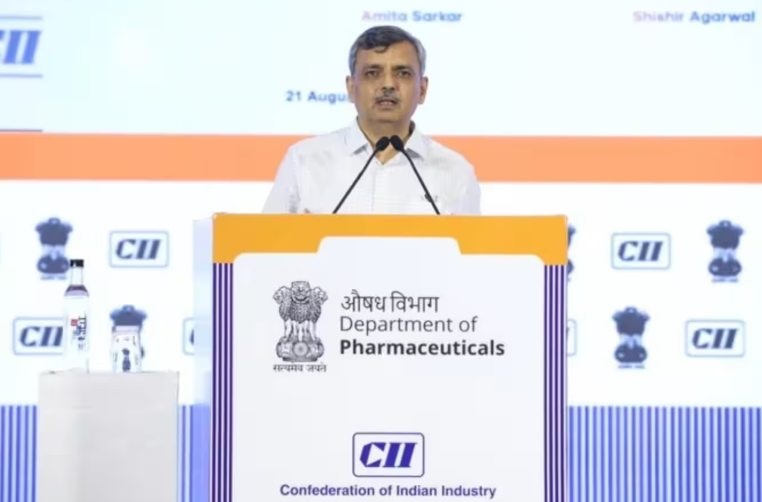
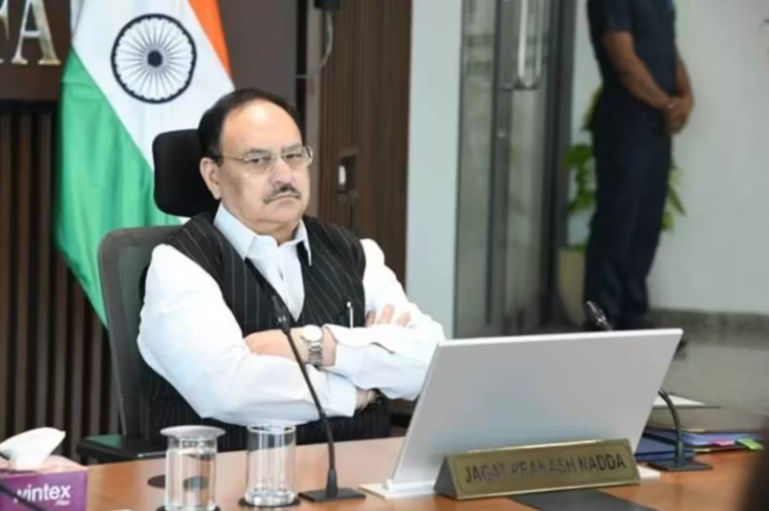
India’s medical devices industry needs to move beyond assembly and strengthen domestic manufacturing capabilities, particularly in high-end medical devices and imaging equipment, according to Department of Pharmaceuticals Secretary Manoj Joshi.
Speaking at a high-level MedTech industry roundtable in New Delhi, Joshi emphasized the need to build a stronger domestic component manufacturing ecosystem and increase local value addition in India’s medical technology sector.
The government’s vision is to raise domestic value addition from the current level of around 25% to 40–45%, particularly across high-end medical devices and imaging equipment.
The push comes as India seeks to establish itself as a competitive global MedTech manufacturing and innovation hub while reducing excessive dependence on imported components and finished medical equipment.
Why Local Value Addition Matters for India’s MedTech Sector
Local value addition is becoming increasingly important for the long-term development of India’s medical devices industry.
A recent ASSOCHAM analysis indicates that India remains highly dependent on imports for medical devices, with imports accounting for approximately 70% of the domestic market. Import dependence is particularly high in medical equipment, where it is estimated at around 85%.
This dependence creates several challenges for the industry, including exposure to global supply-chain disruptions, currency fluctuations, international trade policies and higher manufacturing costs.
Increasing domestic value addition could allow Indian manufacturers to develop stronger supply chains, improve cost competitiveness and create greater resilience in the medical technology ecosystem.
Government Targets 40–45% Domestic Value Addition
The Department of Pharmaceuticals has identified higher domestic value addition as an important priority for the next phase of India’s MedTech development.
Manoj Joshi said the government wants to increase domestic value addition from approximately 25% currently to 40–45%. The strategy will focus particularly on high-end medical devices and imaging equipment.
A key element of this strategy is the development of a domestic ecosystem for components. Rather than simply assembling imported components in India, the government wants manufacturers to increasingly source critical parts and technologies domestically.
This could create opportunities for Indian companies involved in electronics, precision engineering, medical-grade materials, diagnostics, software and other supporting technologies.
High-End Medical Devices Remain a Key Focus
India has made progress in manufacturing several categories of medical devices, but high-end equipment continues to have substantial import dependence.
Medical imaging equipment, advanced diagnostic systems and other sophisticated technologies require significant investment in research and development, precision manufacturing and specialized components.
The government is therefore looking to encourage investments in these areas while building the supporting supplier ecosystem.
The Department of Pharmaceuticals has also highlighted the need for greater domestic manufacturing of reagents and diagnostics, along with the development of globally competitive component manufacturers capable of serving both domestic and international markets.
PLI Scheme Could Support the Next Phase of Growth
The Production Linked Incentive (PLI) scheme has already played an important role in encouraging medical device manufacturing in India.
According to the government, the medical devices sector has benefited from rising healthcare demand, expanding healthcare infrastructure, the PLI scheme and other policy interventions. The government is now exploring the next phase of the PLI scheme to further support the sector.
The next phase could be particularly important if incentives are designed to encourage deeper localization rather than simply increasing assembly capacity.
For manufacturers, incentives linked to domestic components, research and development, technology transfer and export performance could help create a more complete medical technology ecosystem.
India Wants to Become Part of Global MedTech Supply Chains
The government’s strategy is not solely focused on reducing imports.
India also wants to become a significant participant in global medical technology supply chains.
On July 30, 2026, Invest India and the Asia Pacific Medical Technology Association (APACMed) signed an MoU aimed at strengthening cooperation in investment, innovation, policy engagement, technology transfer and digital health. The initiative also focuses on local sourcing, supply-chain resilience, R&D and workforce development.
This indicates a broader strategy: India wants to attract global MedTech companies while simultaneously encouraging them to build manufacturing, sourcing, research and innovation capabilities within the country.
Local Manufacturing Could Strengthen Healthcare Supply Chains
Greater domestic manufacturing could provide benefits beyond industrial growth.
A stronger local supply chain could help healthcare providers gain more reliable access to critical medical equipment and components. It could also reduce exposure to international disruptions that can affect availability and pricing.
The medical devices sector is particularly important because healthcare providers depend on a wide range of products, from basic consumables to sophisticated diagnostic and imaging systems.
Building domestic capabilities across the supply chain could therefore contribute to greater resilience in India’s healthcare system.
R&D and Innovation Will Be Critical
Increasing local value addition will require more than manufacturing incentives.
India will also need stronger research and development capabilities.
The government has emphasized collaboration between industry, academia and innovators to advance medical technology. At the July 2026 CEO roundtable, stakeholders discussed R&D, technology transfer, talent development and emerging technologies as key priorities for the sector.
Developing products designed and engineered in India could eventually help domestic companies compete not only on price but also on technology, quality and innovation.
This transition would be particularly important for high-value medical devices where intellectual property, engineering capabilities and component technology account for a significant portion of the product’s value.
Challenges Facing the Medical Devices Industry
Despite the government’s push, increasing local value addition will not be easy.
The industry continues to face challenges related to:
- High dependence on imported components
- Limited domestic manufacturing of advanced components
- Research and development costs
- Shortage of specialized technical talent
- Scale requirements for manufacturing
- Regulatory complexity
- Access to testing and validation infrastructure
- Competition from established global manufacturers
Industry analyses have also pointed to unfavorable duty structures in some segments as a factor that can make imports more attractive than domestic manufacturing.
Addressing these structural issues will be essential if India wants to move from import substitution toward globally competitive medical device manufacturing.