0
0
 0
0
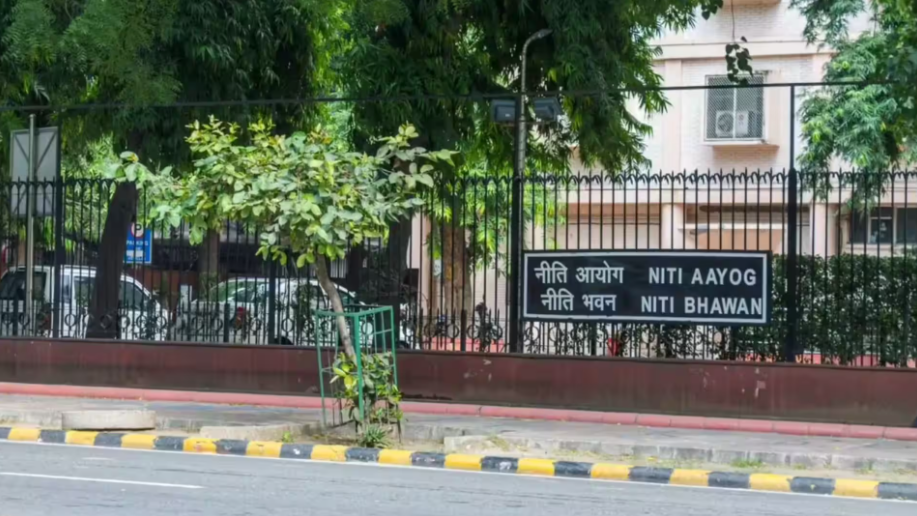
NITI Aayog has proposed interstate licence portability for healthcare professionals in India, a move that could make it easier for doctors, nurses and allied healthcare workers to practise across state borders without repeating registration procedures or obtaining fresh No Objection Certificates (NOCs).
The recommendation is part of NITI Aayog’s report, India’s Services Sector: Insights on Regulatory Regime in Professional Services. The proposal aims to reduce regulatory barriers, improve workforce mobility and help healthcare professionals move more easily to regions where their services are most needed.
Importantly, the proposal is not yet a nationwide licence. It would require implementation by the relevant authorities and coordination among state councils and national regulators.
What Is Interstate Licence Portability?
Under the proposed system, a healthcare professional who is registered and in good standing in one state could potentially practise in another state without going through an entirely new registration process.
NITI Aayog has suggested creating a national licence registry supported by Mutual Recognition Agreements (MRAs) between state councils. Such an arrangement would allow councils to recognise registration decisions made by one another.
The proposal could also include an automatic approval route and digital verification mechanisms, reducing administrative delays for professionals seeking to relocate or take temporary assignments in another state.
Why Is NITI Aayog Proposing the Reform?
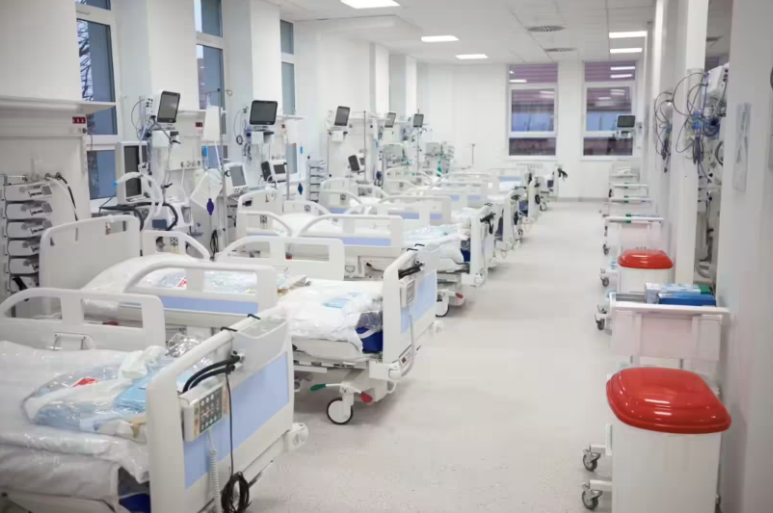
India’s healthcare workforce is not distributed evenly across the country. Some urban centres have relatively large concentrations of healthcare professionals, while rural and underserved regions continue to face shortages.
NITI Aayog believes greater professional mobility could help address this imbalance.
If qualified professionals can move between states more easily, hospitals and healthcare institutions in underserved areas could potentially recruit doctors, nurses and other specialists faster.
This could be particularly useful during public-health emergencies, where rapid deployment of medical personnel may be necessary.
Current System Creates Administrative Barriers
At present, registration and licensing for different healthcare professions involve a combination of national and state-level regulatory structures.
State medical, nursing and allied-health councils play important roles in professional registration and oversight. As a result, professionals moving between states can face additional paperwork, verification requirements and, in some cases, NOCs.
NITI Aayog’s recommendation seeks to reduce this duplication through greater coordination and mutual recognition between state authorities.
The objective is not necessarily to remove state-level oversight, but to make the system more interoperable.
National Licence Registry Could Transform Healthcare Mobility
A national digital licence registry would be one of the most important components of the proposed reform.
Such a registry could allow authorities and healthcare institutions to verify a professional’s registration status, qualifications and disciplinary record through a centralised system.
For professionals, this could significantly reduce the amount of paperwork involved in moving between states.
For hospitals, digital verification could make recruitment more efficient because employers would have a clearer mechanism for checking whether a candidate is properly licensed and eligible to practise.
Doctors, Nurses and Allied Health Professionals Could Benefit
The proposal has implications beyond doctors.
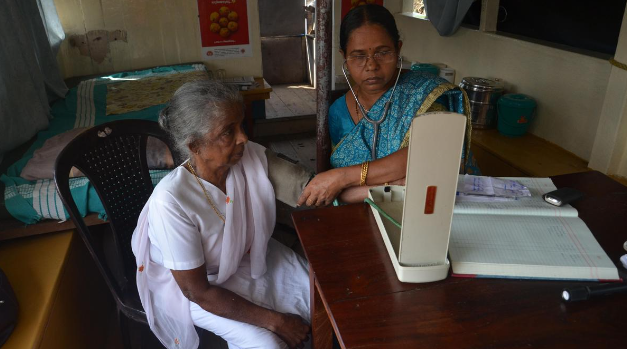
India’s healthcare system depends on a broad workforce that includes nurses, pharmacists, physiotherapists, laboratory professionals and other allied healthcare workers.
Improving licence portability across these professions could help create a more flexible healthcare labour market.
For example, a specialist who receives an opportunity in another state could potentially take up the position without waiting through a lengthy duplicate registration process.
However, the exact categories of professionals covered and the final implementation rules would depend on how the proposal is adopted.
Potential Benefits for Underserved Areas
One of the strongest arguments for interstate licence portability is the possibility of improving access to healthcare in underserved regions.
A shortage of specialists can make it difficult for patients outside major cities to access certain services. If regulatory barriers to professional mobility are reduced, healthcare institutions could have greater flexibility when recruiting personnel.
The reform could therefore complement broader efforts to address India’s regional healthcare disparities.
It could also make short-term deployments easier when specific regions experience sudden increases in demand for medical services.
Proposal Is Not Yet a National Licence
Despite the attention surrounding the announcement, healthcare professionals should not assume that a single licence already allows them to practise anywhere in India.
NITI Aayog is a policy think tank, and its recommendations do not automatically change existing laws or state registration requirements.
Implementation would require coordination between the Union government, national regulatory bodies and state councils. Some states could also need changes to existing regulations or legal frameworks.
Therefore, the proposal should currently be viewed as a policy recommendation rather than an immediately enforceable nationwide licence.
Challenges in Implementing Licence Portability
Creating a portable licensing system would require more than simply establishing a digital database.
Regulators would need to agree on common standards for registration, verification, professional conduct and disciplinary action. They would also need mechanisms to ensure that a professional whose licence has been suspended or restricted in one jurisdiction cannot simply move to another state and continue practising without proper scrutiny.
Data security and privacy would also be important considerations for a national registry.
The success of the system will ultimately depend on how effectively national and state authorities coordinate.
Balancing Mobility With Patient Safety
Greater mobility should not come at the expense of patient safety.
A successful interstate licence system would need to maintain strong standards for qualifications, continuing professional development and professional conduct.
Mutual recognition should therefore be accompanied by transparent verification and disciplinary mechanisms.
The goal should be to remove unnecessary bureaucracy while retaining the regulatory safeguards necessary to protect patients.
Could Improve India’s Healthcare System
If implemented effectively, interstate licence portability could represent a significant change in India’s healthcare regulatory landscape.
It could reduce paperwork for professionals, help hospitals recruit more efficiently and make it easier to move medical expertise toward regions experiencing shortages.
The reform could also support India’s broader ambitions to modernise professional services and make its workforce more competitive domestically and internationally. NITI Aayog’s wider recommendations focus on simplifying professional licensing, improving mobility and strengthening recognition of Indian qualifications.
NITI Aayog’s proposal for interstate licence portability could make it easier for healthcare professionals to practise across India without repeating registration procedures in every state.
The proposed model would rely on a national licence registry, mutual recognition agreements between state councils and potentially an automatic approval system. The aim is to reduce administrative barriers while improving the mobility of doctors, nurses and allied healthcare professionals.
The biggest potential benefit could be improved access to healthcare in underserved areas, where shortages of medical professionals remain a major challenge.
However, the proposal is still at the recommendation stage. Its success will depend on regulatory coordination, legal changes where necessary, digital infrastructure and safeguards that protect patients while allowing professionals to move more freely.
If implemented carefully, interstate licence portability could become an important step toward a more integrated and flexible healthcare workforce in India.