0
0
 0
0
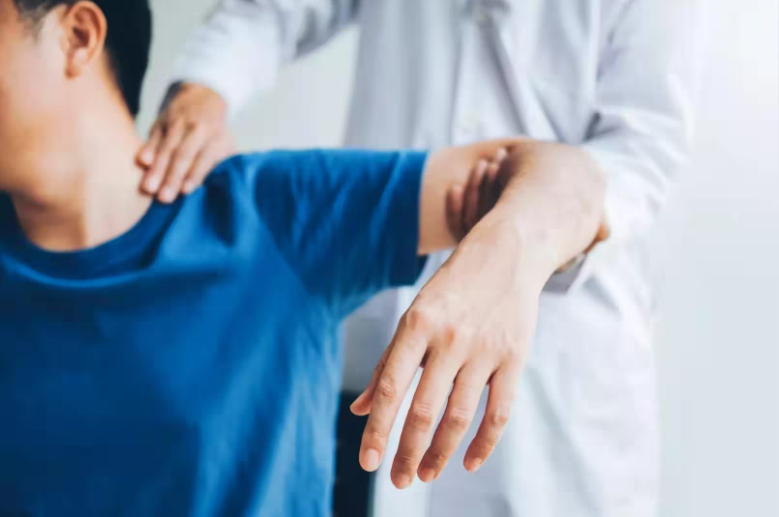
India is planning a national sports medicine framework as part of its broader preparations for a potential bid to host the 2036 Olympic Games. The proposed framework aims to transform athlete healthcare from a largely fragmented and reactive system into a coordinated, preventive model focused on injury prevention, rehabilitation and long-term performance.
The initiative highlights India’s growing ambition to strengthen not only sports infrastructure, but also the medical and scientific support available to elite athletes. The proposed system is expected to standardise injury screening, diagnosis, rehabilitation and return-to-play protocols while connecting medical institutions with athlete training programmes.
India Wants to Shift From Treatment to Prevention
One of the central objectives of the proposed national sports medicine framework is to move away from treating injuries only after they occur.
Under a more preventive approach, athletes could receive regular screening, early diagnosis and specialised medical monitoring designed to identify potential problems before they become serious injuries.
Such a system could be particularly valuable for elite athletes who face demanding training schedules and frequent international competitions.
The proposed framework is therefore not simply about treating injured athletes. It is intended to create a broader support system that combines medicine, rehabilitation, performance science and athlete welfare.
Standardised Sports Medicine Across India
India’s sports medicine ecosystem has developed through different institutions and centres, but the proposed national framework could provide greater consistency across the system.
Reports indicate that the framework is expected to establish common protocols covering injury screening, diagnosis, rehabilitation and return-to-play decisions. It could also connect medical institutions with athlete training programmes.
Standardisation could help athletes receive more consistent treatment regardless of where they train or compete.
For India’s elite sporting programme, this could become particularly important as the country seeks to increase its medal tally at major international events.
National Sports Injury Database Could Become a Key Tool
Another important element under discussion is the creation of a national repository for sports injury data.
A central database could allow sports authorities and medical professionals to identify injury trends across different disciplines. Data could potentially be used to understand which injuries are most common, which training loads create greater risks and how long athletes typically need to recover.
Better data could also support evidence-based decisions on training and athlete management.
Instead of relying solely on individual assessments, sports organisations could use national-level information to develop more effective prevention programmes.
Possible Rollout by 2028
The proposed framework is reportedly being considered for a phased rollout, with 2028 identified as a potential target for implementation.
A phased approach would allow authorities to develop standards, connect institutions and train specialists before expanding the system nationwide.
The timing is significant. If India ultimately pursues its ambition to host the 2036 Olympics, establishing the medical framework several years in advance would give athletes and support teams time to adapt to the new system.
It would also allow authorities to evaluate the effectiveness of the framework before the Olympic cycle reaches its final stages.
Why Sports Medicine Matters for Olympic Success
Winning medals at the Olympics requires more than talented athletes.
Elite performance depends on coaching, nutrition, strength and conditioning, mental preparation, recovery and medical support. An injury at the wrong stage of an athlete’s career can potentially derail years of preparation.
A stronger sports medicine system could therefore help India maximise the availability of its top athletes.
Preventing injuries can be particularly important in sports where athletes compete repeatedly over long tournament schedules. Effective rehabilitation can also help reduce the risk of athletes returning to competition too early.
2036 Olympics Ambition Adds Urgency
India’s plans for a national sports medicine framework are closely connected to its broader sporting ambitions and its potential 2036 Olympic bid.
Hosting an Olympics would require the country to demonstrate world-class capabilities across multiple areas, including venues, transportation, athlete services, medical facilities and sports science.
The proposed sports medicine framework could become part of that wider ecosystem.
More importantly, however, its benefits could extend beyond the Olympics. A nationwide system could strengthen athlete healthcare for years, helping competitors prepare for the Asian Games, Commonwealth Games, World Championships and other international competitions.
Investment in Athletes’ Long-Term Careers
A preventive medical model could also improve the sustainability of athletes’ careers.
Repeated injuries can shorten careers and affect performance long after an athlete returns to competition. Early detection, appropriate rehabilitation and scientifically managed workloads can help athletes maintain their physical condition over a longer period.
This makes sports medicine an important part of athlete development rather than merely an emergency service.
For India, building that culture could help create a stronger pipeline of athletes capable of competing consistently at the highest international level.
Challenges Ahead
Despite the potential benefits, implementing a national sports medicine framework will not be simple.
India will need enough qualified sports physicians, physiotherapists, nutrition specialists, psychologists, rehabilitation experts and performance scientists. Medical institutions will also need to coordinate effectively with national federations, coaches and training centres.
Data management will be another major consideration. A national injury repository would require reliable reporting standards and consistent data collection across sports and institutions.
Funding and access could also determine whether the framework benefits only elite athletes or eventually reaches a much broader section of India’s sporting community.
A Long-Term Investment in Indian Sport
The proposed initiative represents a broader change in how India approaches high-performance sport.
Instead of focusing primarily on what happens after an athlete becomes injured, the system would seek to identify risks earlier and provide continuous medical and performance support.
That shift could help India build a more sustainable sporting ecosystem.
If implemented effectively, the framework could become one of the foundations of India’s preparations for the next decade of international competition.
India’s plan for a national sports medicine framework marks an important step toward strengthening athlete healthcare ahead of the country’s potential 2036 Olympic bid. The proposed system aims to standardise injury screening, diagnosis, rehabilitation and return-to-play protocols while improving coordination between medical institutions and sports training programmes.
The proposed national sports injury database and a possible phased rollout by 2028 could provide India with a stronger foundation for athlete health and performance.
Ultimately, the success of the initiative will depend on implementation, specialist expertise, funding and coordination across India’s sporting ecosystem.