0
0
 0
0
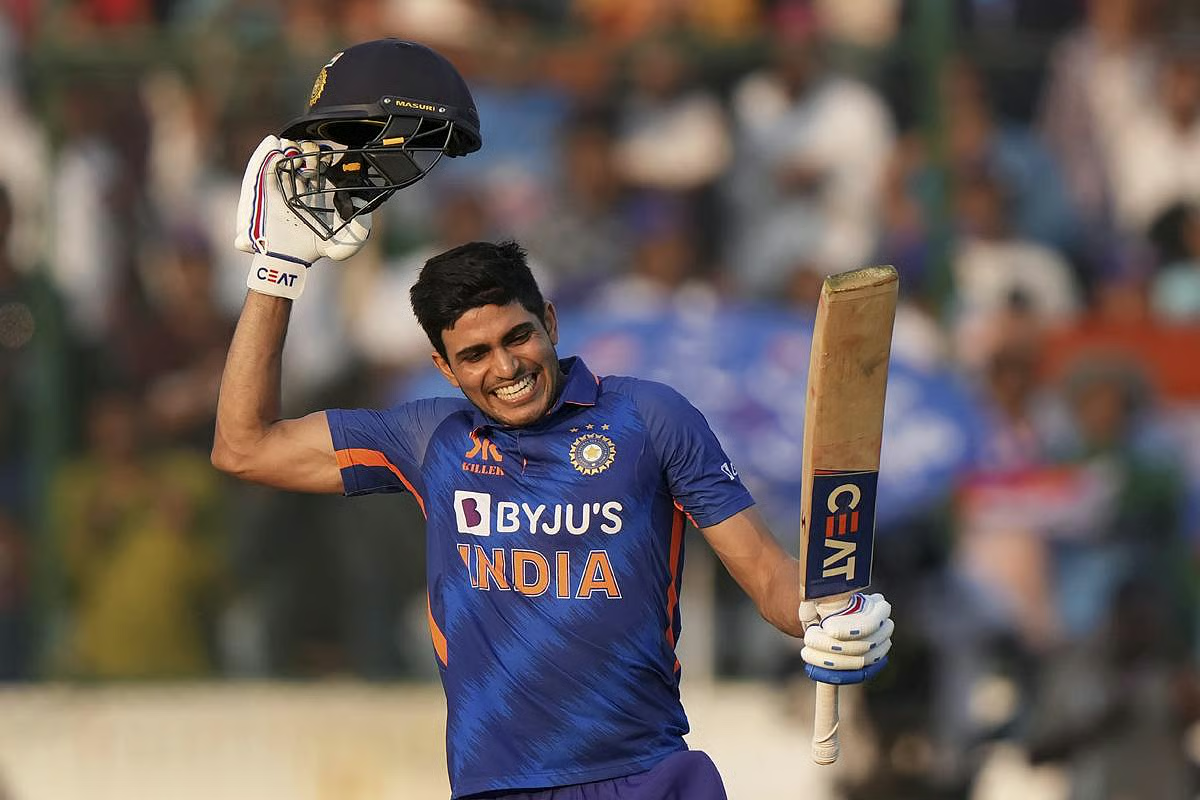
Shubman Gill, India’s promising young cricketer and recently appointed ODI captain, faced heavy criticism following his leadership in the third ODI against New Zealand. Fans, analysts, and former players expressed disappointment over his decision-making, tactical choices, and perceived lack of proactive involvement during key moments of the match. Despite a mixed performance with the bat, it was Gill’s captaincy that drew the most attention, sparking debates on whether he was ready for the responsibility at this level.
The match, held at the Eden Park Stadium in Auckland, saw New Zealand posting a challenging total of 288/6 in their 50 overs. India’s chase started with promise, with Gill himself contributing a steady 52 runs. However, cricket pundits and fans on social media argued that his on-field strategies lacked aggression and urgency, particularly during the middle overs when India struggled to maintain momentum. Former players criticized his tendency to rely on conventional bowling changes instead of reading the game situation and making proactive adjustments.
One former Indian cricketer commented, “As a captain, you have to be part of the action. You can’t just sit back and watch the game unfold. There were several overs where Shubman could have made bolder bowling changes or rotated the field to create pressure, but he didn’t. Leadership is about taking responsibility, and this was a missed opportunity.”
Criticism was not limited to tactical decisions. Observers noted that Gill seemed hesitant in crucial moments, such as when New Zealand accelerated in the final overs. His reluctance to take risks, especially with field placements, arguably allowed the opposition to build partnerships and maintain a steady scoring rate. Analysts pointed out that modern ODI cricket demands dynamic leadership, quick thinking, and adaptability—qualities that Gill is still developing.
Social media users were equally vocal. Twitter timelines were filled with posts questioning his captaincy choices. Comments ranged from disappointment over missed fielding opportunities to frustration over slow over rates and conservative bowling strategies. Some fans suggested that while Gill’s batting prowess is undeniable, leadership requires a different mindset, one that combines assertiveness with strategic foresight.
Despite the criticism, some voices defended the young captain. Former players and cricket analysts emphasized that this was only Gill’s third match as ODI captain, and that adapting to leadership responsibilities can be challenging, particularly in high-pressure situations against a team like New Zealand. “He is still learning,” one analyst remarked. “Captaincy at the international level is a steep learning curve. Mistakes are inevitable, but what matters is whether he can adapt and grow from this experience.”
The post-match analysis highlighted several key decisions that could have altered the course of the game. For example, retaining the same bowling pair during New Zealand’s aggressive overs drew particular scrutiny. Fielding adjustments, or the lack thereof, were also discussed as missed opportunities to disrupt the Kiwi batsmen’s rhythm. Fans and pundits agreed that while Gill’s batting kept India in contention for much of the chase, leadership lapses ultimately cost the team a chance at a tighter finish.
Gill’s own post-match comments suggested a reflective approach. He acknowledged that the team faced challenges in executing the plan and admitted there were areas where decisions could have been sharper. “As a captain, you always analyze your decisions,” he said. “There are moments you wish you handled differently. We learn from every match, and the goal is to improve collectively as a team.”
This debate over Gill’s captaincy also raises questions about India’s leadership structure in the limited-overs format. With senior players like Rohit Sharma unavailable or taking breaks, the team has increasingly relied on younger talent for leadership. While this is an opportunity for the next generation to prove themselves, it also exposes them to intense scrutiny from fans, media, and former players alike. Gill’s ability to navigate criticism, make tactical adjustments, and inspire his teammates will be under the microscope in the upcoming matches.
Looking ahead, India will play a series of ODIs against New Zealand, providing Gill with opportunities to learn from past mistakes and refine his captaincy style. Analysts suggest focusing on dynamic field placements, proactive bowling changes, and maintaining clear communication with teammates on the field. Leadership is not solely about personal performance; it involves reading the game, motivating players, and making bold decisions under pressure.
In conclusion, Shubman Gill’s third ODI as captain highlighted both his potential and the challenges of leading at the highest level. While his batting contributions were notable, it was his leadership that drew widespread criticism, with calls for him to be more engaged and proactive. The young cricketer’s journey as a captain is just beginning, and how he adapts to the demands of international cricket will determine whether he can fulfill the promise many see in him. One thing is clear: in modern ODI cricket, to succeed as a captain, you truly have to be part of the action, both on and off the field.