 0
0
 0
0
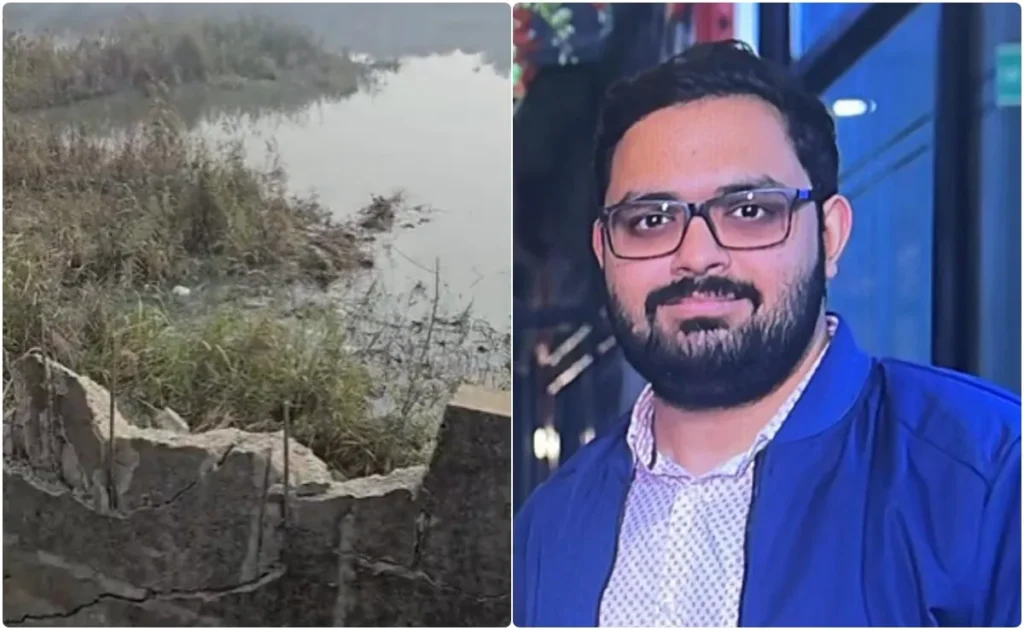
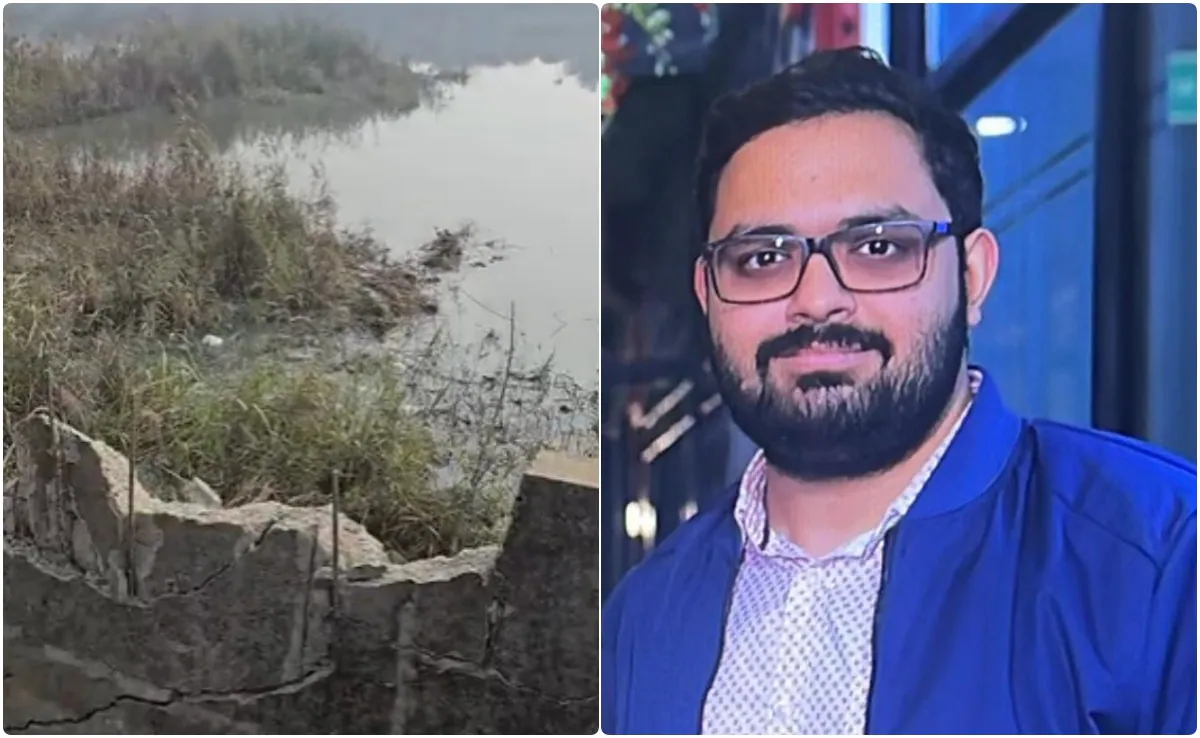
A young IT professional tragically lost his life after drowning in a ditch in Noida, a suburb of Delhi, in what authorities are calling an accidental death. The victim, identified as Rohit Verma, 24, reportedly made a distressing phone call to his father shortly before the incident, saying, “I don’t want to die.” The incident has sent shockwaves through the local community and raised concerns over urban safety hazards in the rapidly expanding city.
According to Noida police, Rohit, a software engineer working with a prominent IT firm, had left his office late in the evening and was heading home. His father, recounting the phone call, said that Rohit appeared anxious and fearful. “He told me he didn’t want to die and sounded scared. I tried to calm him, but the line went dead,” the father told reporters. Police later discovered Rohit’s body in a water-filled ditch near Sector 62.
Preliminary reports indicate that the young professional accidentally slipped into the ditch, which is poorly lit and surrounded by uneven terrain. The area, which has been described by locals as a “death trap,” is a construction zone where safety barriers are either absent or damaged. Authorities have launched an investigation to determine whether negligence played a role in the incident and to ascertain the exact circumstances that led to Rohit’s drowning.
Eyewitness accounts suggest that the ditch, filled with stagnant rainwater, posed a significant hazard. Several residents expressed frustration that despite repeated complaints, no adequate safety measures had been implemented. “This is not the first time someone has had a near-miss here. There are no warning signs, no railings, and it’s dark at night. It’s a disaster waiting to happen,” said a local shopkeeper.
Rohit’s tragic last phone call has brought attention to the mental and emotional state of the victim at the time of the accident. While police currently consider the case an accident, the statement “I don’t want to die” has prompted questions about whether he was in distress or experiencing fear prior to the fall. Mental health professionals caution that individuals may experience panic or anxiety when confronted with dangerous situations, which can impair judgment and increase the risk of accidents.
The local administration has come under scrutiny following the incident. Citizens have long complained about incomplete drainage systems, unmarked construction zones, and lack of street lighting in the area. Civic authorities have promised to conduct a safety audit and improve hazard markings, but many residents say action has been slow. The tragedy has reignited demands for urgent remedial measures to prevent similar accidents in the future.
Police have retrieved CCTV footage from nearby areas to reconstruct Rohit’s final movements. Officials have also interviewed construction workers and residents to piece together the timeline leading up to the drowning. Investigators are examining whether the absence of protective barriers contributed to the accident and whether any lapses in safety protocols occurred.
Rohit’s colleagues and friends have expressed deep sorrow over his untimely death. Social media tributes highlight his dedication to work, his cheerful personality, and his aspirations in the IT industry. “Rohit was one of the most hardworking people I knew. He had dreams, plans, and a bright future ahead. It’s heartbreaking to lose someone like him in such a preventable way,” said a close friend.
The incident has sparked a broader discussion on urban safety in Noida and other rapidly developing cities. Experts point out that urban infrastructure often fails to keep pace with population growth, creating hazards such as open ditches, unguarded construction zones, and poorly lit streets. “Every city needs a proactive approach to public safety. Accidents like this are a stark reminder that negligence can have fatal consequences,” said an urban planning specialist.
In memory of Rohit, his family and community members have called for stricter enforcement of safety regulations and immediate remedial measures in hazardous areas. Local authorities have assured residents that they will address the safety concerns and install protective barriers, warning signs, and improved lighting to prevent future tragedies.
As the investigation continues, the community remains in mourning over the loss of a young life full of promise. Rohit’s final words serve as a haunting reminder of the vulnerability of individuals when urban safety measures fail. His death underscores the urgent need for better infrastructure planning, stronger civic oversight, and community awareness to prevent similar accidents in the future.
Rohit’s tragic story is a stark reminder that urban development must prioritize public safety. While investigations seek to clarify the circumstances of his drowning, the broader conversation about accountability, infrastructure, and prevention continues. Families, residents, and authorities alike are grappling with the sorrow of a preventable loss, determined to ensure that the same fate does not befall anyone else.