 0
0
 0
0
At Least 5,000 Killed in Iran Protests; Tehran Blames ‘Terrorists and Armed Rioters’ Targeting Innocents
An Iranian official has confirmed that authorities have verified at least 5,000 deaths during the recent wave of nationwide protests, a figure that includes around 500 members of the country’s security forces, according to statements relayed to Reuters on Sunday. Tehran attributed the violence to what it describes as “terrorists and armed rioters” who targeted innocent civilians and security personnel, claiming that they were supported and equipped by foreign powers.
The protests, which began on 28 December 2025 amid severe economic hardship and deteriorating living conditions, rapidly escalated into an unprecedented nationwide challenge to the clerical leadership. Demonstrations have occurred in major cities and smaller towns alike, making these protests among the most widespread seen in Iran since the 1979 Islamic Revolution itself.
According to the unnamed Iranian official, some of the heaviest clashes and highest fatality counts were reported in the northwestern Kurdish regions, where Kurdish activists and separatist elements have historically clashed with security forces. Authorities are using this to underscore their account that armed groups were operating with organized intent rather than the unrest being a purely civilian movement.
Tehran’s Narrative: Terrorists and Rioters
Iran’s government and state media have consistently framed the protests not as peaceful dissent but as a foreign‑backed insurgency. Officials allege that armed groups operating within the demonstrations carried weapons, instigated violence, and deliberately targeted civilians and security units alike. Tehran has repeatedly accused foreign adversaries—chiefly Israel and the United States—of instigating and arming these groups, a charge both Washington and Tel Aviv have denied.
State narratives also depict the unrest as a security crisis rather than a political or economic one, situating it within a broader context of alleged global conspiracy and hostile interference. Leaders claim that such forces exploited legitimate grievances to launch a campaign designed to destabilize the Islamic Republic.
Iranian authorities have also touted their own efforts to arrest individuals they label terror suspects. Separate official figures published earlier reported the detention of thousands of suspects alleged to be linked to foreign‑aligned groups or responsible for violent acts during the unrest.
Independent and Rights Group Figures
While Tehran’s confirmation of 5,000 deaths marks a dramatic acknowledgment of the human toll, independent human rights organizations put forward varying estimates—and in some cases significantly higher figures. The US‑based Human Rights Activists News Agency (HRANA) reported 3,308 confirmed deaths, with thousands more cases under review, as well as more than 24,000 arrests across the country.
Amid restricted media access and widespread internet blackouts, reliable tallies are difficult to confirm independently. Communications were heavily curtailed in many regions, delaying external reporting and hampering efforts by human rights investigators to obtain direct evidence from inside the country.
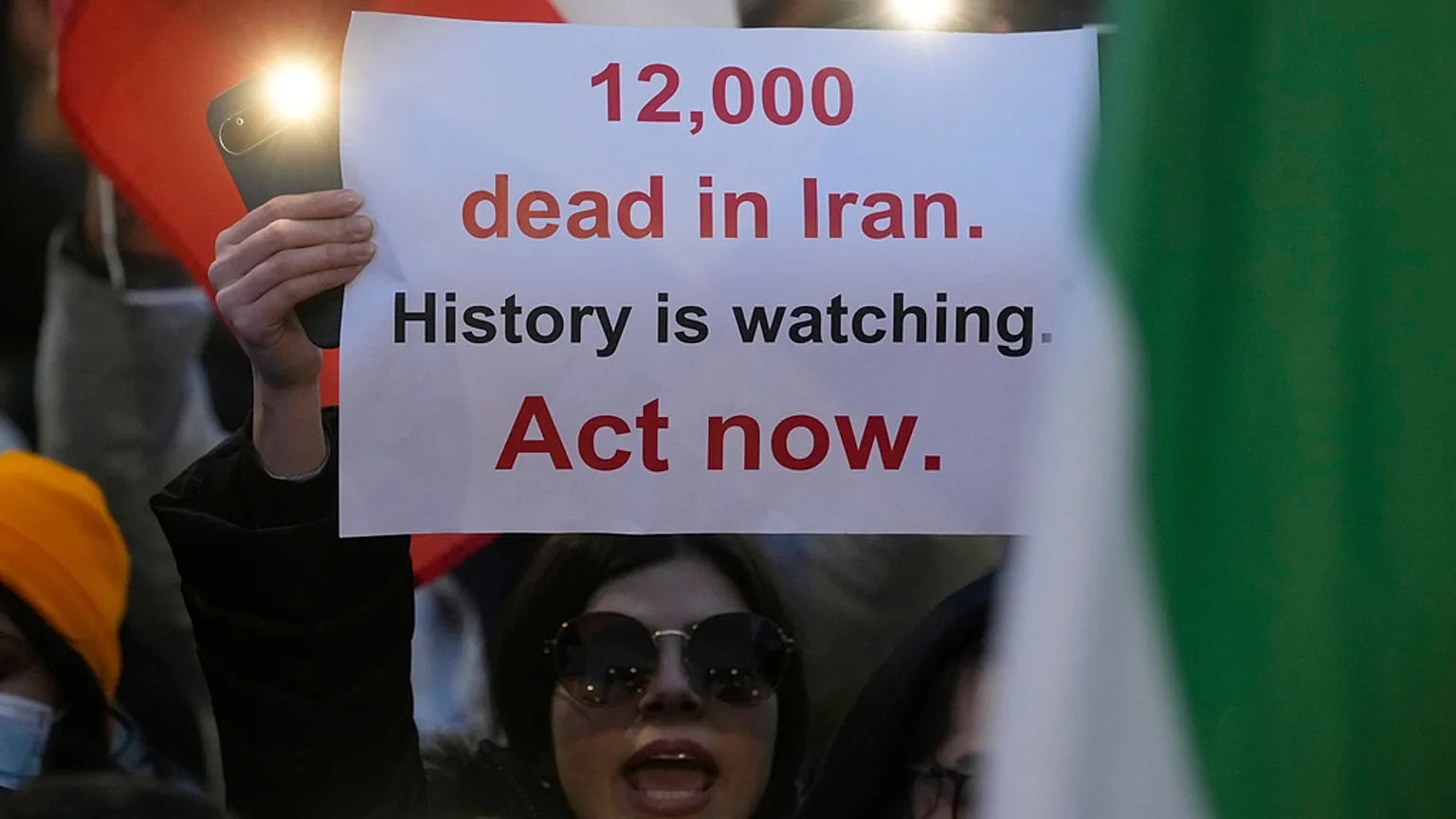
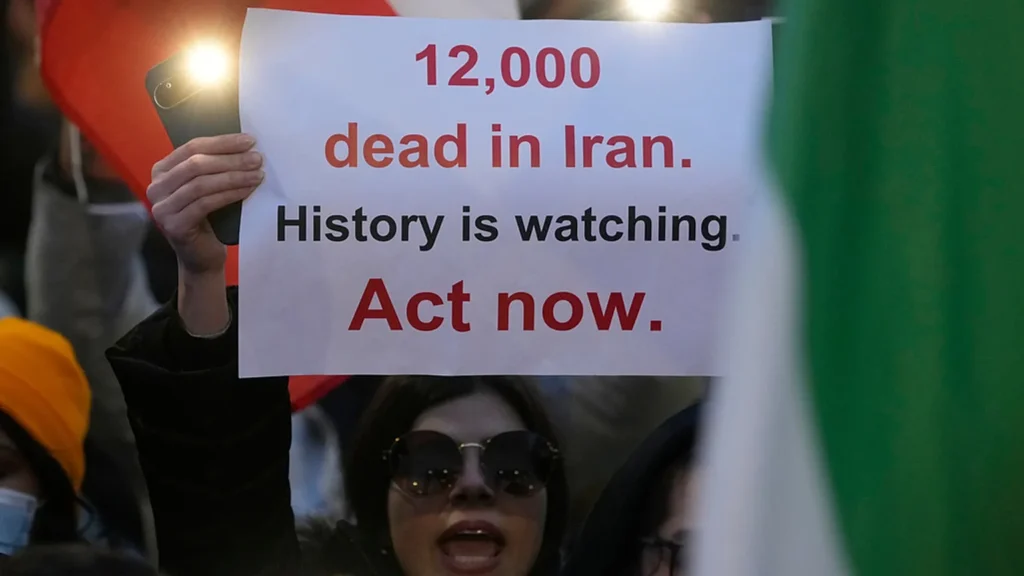
Some foreign and medical sources have suggested that actual casualties may be even higher than official figures. Reports circulating internationally, including from medical personnel and hospital networks, have cited estimates ranging from 12,000 to more than 16,000 deaths, although such figures remain difficult to verify due to the information blackout and restrictions on independent observers.
Broader Context of the Protests
The unrest began with concerns over the economic crisis—particularly inflation and the collapse of the national currency—but quickly broadened into more sweeping demands for political change and greater freedoms. Protesters have called for improvements in living standards, accountability over government policies, and, in many locales, the resignation of high‑ranking clerical leaders.
The Iranian security apparatus—including the Islamic Revolutionary Guard Corps (IRGC) and affiliated militias—has responded with a forceful crackdown. Iranian state media reported significant damage to property, public infrastructure, and religious institutions during the clashes, reinforcing the government’s narrative of widespread rioting and deliberate sabotage.
International reactions have been mixed. Some Western officials condemned the use of lethal force and urged restraint, while others warned of possible international repercussions if mass killings or executions proceed. In response to mounting global pressure, Iranian judiciary officials signaled that some protest‑related cases could be prosecuted under Islamic law, which potentially carries the death penalty—a move that has drawn further criticism from rights groups.
The Path Ahead
With confirmed fatalities in the thousands and uncertainty over the true scale of the losses, Iran faces a precarious period. The government’s emphasis on external threats and terrorism presents a narrative aimed at consolidating internal support and justifying its crackdown, while independent observers continue to call for transparency and accountability. The discrepancy between official figures and external estimates underscores the complex information environment surrounding the protests.
As tensions persist, the balance between domestic pressure for change and the government’s efforts to maintain control will shape Iran’s political and social trajectory in the months ahead. With ongoing arrests, potential judicial actions, and international scrutiny mounting, the crisis is far from resolved.