0
0
 0
0
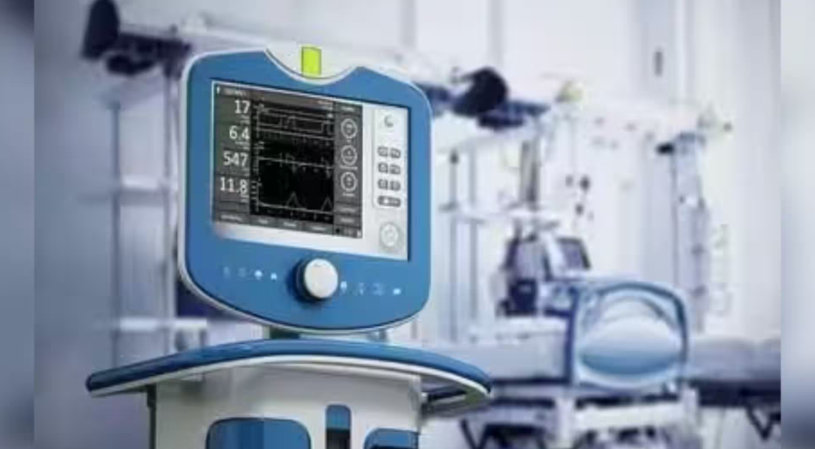
The central argument from companies opposing the draft legislation is that medical devices are not pharma products.
Unlike pharmaceutical products, which generally rely on chemical or biological substances to produce a therapeutic effect, medical devices can include a broad range of technologies, from diagnostic equipment and implants to surgical instruments, software and life-support systems.
The distinction is important because medical devices can have very different development, testing and manufacturing requirements.
Industry stakeholders therefore believe that combining the regulatory treatment of drugs and medical devices could create unnecessary compliance burdens and potentially slow innovation.
According to recent reports, medical device companies, patient safety groups and healthcare providers have raised concerns about the proposed framework and urged policymakers to take the specific characteristics of medical technology into account.
Why Medical Devices Are Different From Pharmaceuticals
The medical device sector covers a highly diverse range of products.
These can include diagnostic machines, implants, medical software, devices supporting people with disabilities, life-support equipment, disinfection equipment and diagnostic reagents or kits.
Because of this diversity, the risk associated with a medical device can depend on factors such as its intended use, duration of contact with the human body, technological complexity and whether it is invasive.
A software-based diagnostic tool, for example, presents a different regulatory challenge from an implant that remains inside a patient’s body for years.
Industry stakeholders argue that these differences should be reflected in legislation.
Companies Fear One-Size-Fits-All Regulation
A major concern surrounding the Draft Drugs, Medical Devices and Cosmetics Bill 2026 is the possibility of a one-size-fits-all regulatory approach.
Companies argue that regulations designed primarily around pharmaceutical products may not adequately address the technical and commercial realities of medical devices.
A regulatory framework that does not differentiate sufficiently between product categories could increase compliance costs, extend approval timelines and make it more difficult for smaller manufacturers to bring new technologies to market.
This is particularly significant for India’s growing medical device sector, which includes domestic manufacturers as well as multinational companies.
Impact on Medical Device Innovation
The industry is also concerned about the potential impact on medical device innovation in India.
Medical technology is evolving rapidly, with developments in areas such as artificial intelligence, digital health, remote monitoring, robotics, advanced imaging and minimally invasive procedures.
Regulatory systems need to keep pace with these developments without compromising patient safety.
Industry stakeholders believe that excessive regulatory complexity could discourage investment in research and development and delay the introduction of innovative technologies.
At the same time, patient safety groups have stressed that stronger oversight remains essential, particularly for high-risk products and technologies used directly in patient care.
The challenge for policymakers is therefore to create regulations that provide effective safety protections without unnecessarily restricting innovation.
Patient Safety Remains a Central Issue
While medical device companies are opposing aspects of the proposed regulatory approach, the debate is not simply about reducing regulation.
Patient safety remains a critical consideration.
Medical devices can directly affect patient outcomes, particularly in areas such as implants, diagnostic systems, surgical equipment and life-support technologies.
Previous discussions around India’s proposed medical device legislation have highlighted the importance of clinical investigations, compensation for injuries and deaths associated with clinical trials, and stronger regulatory oversight.
Experts have also raised concerns about post-market surveillance, including the need to identify problems with devices after they have entered the market and mechanisms for recalls when safety issues emerge.
India Is Also Trying to Strengthen Domestic Medical Device Manufacturing
The controversy surrounding the draft legislation comes alongside government efforts to strengthen India’s domestic medical device industry.
In June 2026, the government invited applications under the Scheme for Strengthening of Medical Device Industry (SMDI), which aims to promote domestic manufacturing, reduce import dependence and support innovation across the medical device value chain.
The scheme includes financial support for manufacturing key components, raw materials, finished devices and accessories, while another component provides support for clinical investigations, clinical performance evaluations and post-market follow-up studies.
This creates an important policy context for the draft Bill.
On one hand, the government wants to build India’s domestic medical technology ecosystem. On the other, manufacturers are seeking a regulatory system that they believe is appropriate for the sector’s unique characteristics.
Government Seeks to Streamline Medical Device Regulation
The government has also separately proposed amendments to the Medical Devices Rules, 2017, with the stated objective of simplifying and speeding up the licensing process.
The proposed amendments seek to rationalise timelines for manufacturing licences across different risk categories while maintaining requirements related to quality, safety and performance.
The move indicates that regulatory efficiency is already an important policy priority.
For medical device manufacturers, the final form of the new legislation could determine whether this effort results in a more predictable regulatory environment or introduces additional complexity.
What the Draft Bill Could Mean for the Industry
If the proposed framework becomes law without substantial differentiation between drugs and medical devices, companies could face changes in areas such as licensing, manufacturing, clinical investigations, compliance and post-market monitoring.
Large companies may have greater resources to absorb additional regulatory costs, while smaller and emerging medical technology companies could face a heavier burden.
That could influence investment decisions and potentially affect the speed at which new medical technologies reach Indian hospitals and patients.
However, clearer and stronger regulation could also improve product quality, increase patient confidence and strengthen India’s reputation as a medical technology manufacturing hub.
The Need for a Separate Regulatory Approach
The industry’s core demand is not necessarily for weaker regulation, but for appropriate regulation.
Medical device companies argue that the regulatory framework should be based on the characteristics and risks associated with individual devices.
A risk-based approach could allow regulators to apply stricter requirements to high-risk devices while avoiding unnecessary procedures for lower-risk products.
Such an approach could potentially balance three important objectives: patient safety, regulatory efficiency and medical technology innovation.
Draft Bill Could Shape India’s Medical Device Future
The debate over the Drugs, Medical Devices and Cosmetics Bill 2026 comes at an important stage for India’s healthcare industry.
The country’s medical device sector is seeking greater domestic manufacturing capacity, more research and development and increased global competitiveness. Government programmes are also being introduced to reduce import dependence and strengthen the domestic supply chain.
Against this backdrop, industry stakeholders want legislation that recognises medical devices as a distinct category rather than treating them simply as another segment of the pharmaceutical industry.
The final outcome of the legislative process could have long-term consequences for manufacturers, investors, healthcare providers and patients.
The opposition to the Draft Drugs, Medical Devices and Cosmetics Bill 2026 highlights a fundamental issue facing India’s healthcare regulation: medical devices are not the same as pharmaceutical products.
Medical devices encompass a wide range of technologies with different risks, manufacturing processes and development pathways. Industry stakeholders therefore argue that the sector requires a tailored, risk-based regulatory framework.
At the same time, effective regulation remains essential to protect patients and ensure that medical technologies meet appropriate standards of safety, quality and performance.
The challenge for policymakers will be to find the right balance between medical device regulation, patient safety, innovation and ease of doing business.