0
0
 0
0
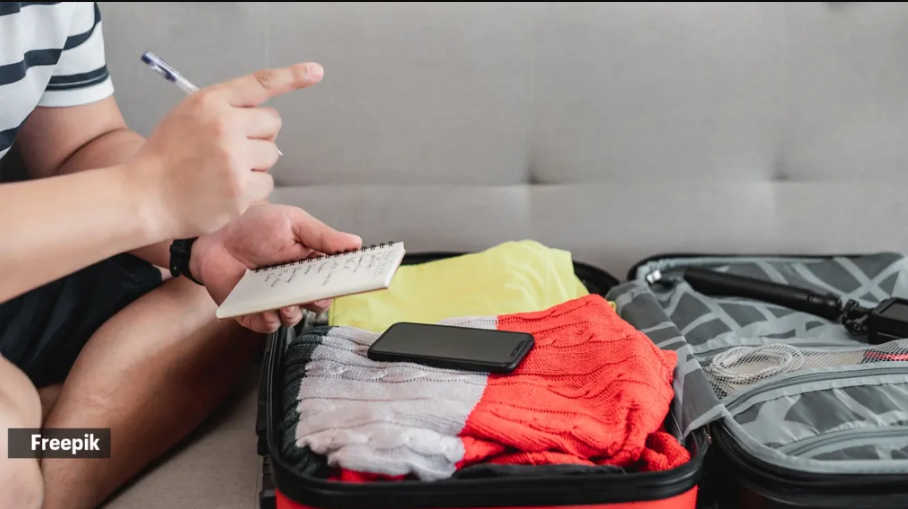
Air travel can make getting from one destination to another remarkably easy, but long hours in an airplane can also leave travelers dehydrated, stiff, tired and uncomfortable.
A little preparation before boarding can make a significant difference.
Whether you are taking a short domestic flight or spending more than eight hours in the air, keeping a few travel health essentials in your carry-on can help you manage common problems and stay comfortable throughout the journey.
Health experts and the U.S. Centers for Disease Control and Prevention recommend that travelers with medical conditions plan ahead, carry necessary medicines in their carry-on luggage and take steps such as staying hydrated and moving regularly during long-distance travel.
Here are five health essentials worth considering before your next flight.
1. Your Essential Medications
Your prescription medicines should be among the first things you put in your carry-on.
Do not rely on checked luggage for medication you may need during the journey. Baggage can be delayed or lost, while some medications may be difficult to replace at your destination.
The CDC recommends carrying enough medication for the entire trip, plus extra in case of unexpected travel delays. Medicines and medical supplies should be kept in carry-on luggage and, where possible, in their original containers.
If you take regular medication, consider keeping a written list that includes:
- Medication names
- Dosages
- Your medical conditions
- Your healthcare provider’s contact information
- Relevant allergies
For international travel, it is also worth checking whether your medication is permitted in the destination country.
2. A Reusable Water Bottle
Staying hydrated is another simple way to make a flight more comfortable.
Airplane cabins have relatively low humidity, and travelers may notice dry lips, a dry throat or general discomfort during longer flights.
A reusable water bottle can serve as a reminder to drink regularly. You will generally need to empty it before airport security and refill it after passing through security, depending on the airport’s rules.
The CDC specifically advises travelers to stay hydrated during travel, particularly when managing chronic health conditions.
It is also sensible not to rely entirely on sugary drinks or alcohol for hydration.
3. Compression Socks for Long Flights
If your journey involves several hours of sitting, compression socks may be worth considering.
Long-distance travel can increase the risk of blood clots, particularly on journeys lasting four hours or longer. The risk is higher for people with certain additional risk factors.
The CDC notes that graduated compression stockings can reduce the risk of asymptomatic deep vein thrombosis in travelers and may be useful for some people at increased risk.
However, compression socks are not a substitute for movement.
Passengers should still regularly move their legs, flex their ankles and walk around when it is safe to do so.
If you have previously had a blood clot or have other risk factors, talk with your healthcare professional about whether compression stockings are appropriate for you.
4. A Small Travel Health Kit
A compact travel health kit can be surprisingly useful.
Rather than searching for a pharmacy after landing, travelers can keep basic health supplies in their carry-on.
Depending on your needs, a travel health kit might include:
- Regular prescription medication
- Basic first-aid supplies
- Any necessary medical devices
- Hand sanitizer
- Tissues
- Masks, if desired
- Personal hygiene products
- Copies of important medical information
The CDC recommends taking a travel health kit on board as carry-on luggage and bringing necessary medicines and medical supplies.
The exact contents should depend on your destination, itinerary and personal health needs.
5. Comfortable Clothing and Supportive Shoes
What you wear can also affect how comfortable you feel during a long flight.
Loose-fitting clothing can make it easier to move and may be more comfortable when sitting for several hours.
Supportive shoes are equally important, particularly if you have a long walk through the airport or connecting flights.
The CDC recommends loose-fitting clothing and regular walking and stretching during long-distance travel.
Avoid clothing or footwear that becomes uncomfortable after several hours.
A lightweight layer can also be useful because cabin temperatures may feel different from those at the airport or your destination.
Why Movement Matters on Long Flights
Packing the right items is only part of staying healthy while flying.
Sitting in the same position for hours can reduce movement in the legs. On longer trips, this can contribute to blood-clot risk.
The CDC recommends standing up and walking occasionally, exercising the calf muscles and stretching the legs while seated. Simple movements include repeatedly raising and lowering the heels and toes or tightening and relaxing the leg muscles.
If possible, an aisle seat can make it easier to get up and move around during a long flight.
The goal is not to exercise intensely.
Even small movements performed regularly can help you avoid remaining completely still for extended periods.
Who Should Take Extra Precautions?
Most people can travel by air without major health problems, but some travelers need additional planning.
People with conditions that increase the risk of blood clots, for example, may need individualized advice before a long flight.
The CDC identifies several factors associated with higher blood-clot risk, including older age, obesity, cancer and certain serious medical conditions.
Travelers with chronic conditions should also make sure they have enough medication and relevant medical information with them.
If you have a significant medical condition, recently experienced a serious health event or are unsure whether you are fit to fly, speak with your healthcare professional before traveling.
What You Should Not Do
There are also a few common mistakes worth avoiding.
Do not put essential medication in checked baggage.
Do not take aspirin specifically to prevent travel-related blood clots unless a healthcare professional has advised you to do so. The CDC does not recommend aspirin for this purpose.
And do not assume that compression socks alone eliminate the risk of blood clots.
Regular movement remains an important part of long-distance travel health.
A Simple Pre-Flight Health Checklist
Before leaving for the airport, take a few minutes to check your carry-on.
Medication:
Do you have enough for the entire trip plus extra for delays?
Water:
Do you have a reusable bottle that you can refill after security?
Compression socks:
Are they appropriate for your journey and health needs?
Travel health kit:
Do you have the basic supplies you may need?
Comfortable clothing:
Are your clothes and shoes suitable for several hours of sitting and walking?
A five-minute check can prevent a surprising number of problems later.
The Bottom Line
A comfortable and healthy flight starts before you reach the airport.
For your next journey, consider packing essential medications, a reusable water bottle, appropriate compression socks, a compact travel health kit, and comfortable clothing with supportive footwear.
Just as important, remember to move regularly during longer flights.
The CDC recommends walking and stretching during long-distance travel, while travelers with chronic conditions should carry their medications and relevant medical information in their carry-on luggage.
These simple precautions cannot eliminate every health risk associated with flying, but they can help you prepare for common challenges and arrive at your destination feeling more comfortable and ready for the trip ahead.